
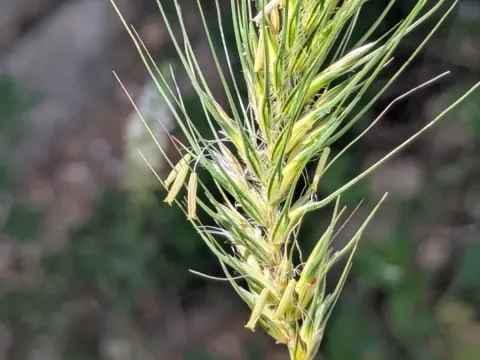
Dasypyrum
Dasypyrum
Dasypyrum, a resilient member of the Poaceae family, requires careful planning for sowing to ensure successful germination and establishment. Autumn planting is generally preferred as it allows the seeds to undergo natural vernalization, improving vegetative development.
What the section contains

Dasypyrum
Seed depth is critical for this crop and should be maintained between 2 to 4 centimeters. Precise depth ensures that the primary roots can anchor effectively while the seedling emerges without excessive energy loss.
Seeding rates are determined by the intended use of the crop, whether for biomass production or seed multiplication. Standard agricultural practice recommends 100-150 kilograms per hectare to maintain optimal field density.
Prior to sowing, the seedbed must be meticulously prepared by removing invasive weed species. Dasypyrum seedlings develop relatively slowly in the early stages, making them susceptible to competition from fast-growing weeds.
In regions with harsh winters, early spring sowing is an alternative. However, this requires sufficient soil moisture to prevent seedling desiccation during the critical emergence phase.
Dasypyrum is highly regarded for its wide environmental adaptability. It thrives in various soil types, showing significant tolerance to salinity and alkalinity, which makes it suitable for rehabilitating degraded land.
As a light-demanding crop, Dasypyrum performs best when cultivated in open areas with direct sun exposure. Adequate light is essential for biomass accumulation and the development of robust spikes.
The plant exhibits excellent cold tolerance, allowing it to survive extreme winter temperatures that would typically inhibit other grain crops. This resilience makes it a valuable genetic resource in crop breeding.
Soil moisture should be balanced, as Dasypyrum is capable of surviving drought periods due to its efficient root system. However, prolonged waterlogging must be avoided to prevent root rot and ensure plant health.
The ideal soil pH for this crop ranges from 6.0 to 7.5. While it prefers fertile loams, its ability to thrive in poor soils is one of the primary reasons for its increasing interest in sustainable agriculture.
Yield stability is a hallmark of Dasypyrum, providing reliable production even under fluctuating climatic conditions. This reliability is highly valued in regions prone to seasonal droughts.
For biomass production, yields can be significantly enhanced by applying moderate nitrogen-phosphorus fertilization during the tillering and jointing stages of development.
When grown for grain, the crop provides high-quality protein content, making it an attractive target for genetic improvement programs aimed at increasing the nutrient density of cereal crops.
Managing the plant density and controlling competition are essential for maximizing the yield potential per hectare. Dense stands can sometimes lead to lodging if nitrogen levels are excessive.
Ongoing research into its yield potential emphasizes its role in cross-breeding with wheat to introduce durable resistance genes, further cementing its value in modern agriculture.
Common fungal diseases such as rust and powdery mildew pose the greatest risk to Dasypyrum production. These pathogens thrive in humid conditions and can significantly impact photosynthesis and grain fill.
Pests, particularly cereal aphids and various grass-feeding flies, can cause damage during the early growth stages. Frequent field monitoring is required to detect infestations before they escalate.
Root rot diseases are typically associated with poor crop rotation practices. Maintaining a diverse rotation cycle is the best defense against the buildup of soil-borne pathogens.
Effective management includes the use of fungicide-treated seeds and the selection of genetically resistant varieties, which provide the most sustainable protection against common threats.
Integrated pest management strategies are recommended, focusing on maintaining field hygiene and utilizing biological controls where possible to reduce chemical reliance.
Harvesting for forage should take place at the early heading stage, before the stems become overly fibrous. This ensures a high nutritional profile and superior digestibility for livestock.
Grain harvest is conducted at physiological maturity when grain moisture levels drop to safe limits, usually between 14% and 16%. This allows for immediate storage without the risk of microbial growth.
Mechanical harvesting requires careful adjustment of combine settings, specifically the drum speed and concave clearance, to prevent mechanical damage to the seeds.
Post-harvest processing involves thorough cleaning to remove field debris and chaff, which could otherwise harbor moisture and promote spoilage during long-term storage.
Storage facilities must be dry, cool, and well-ventilated to maintain seed viability. Protecting the grain from rodents and insects is mandatory for maintaining quality and marketability.