
Davidsea
Davidsea
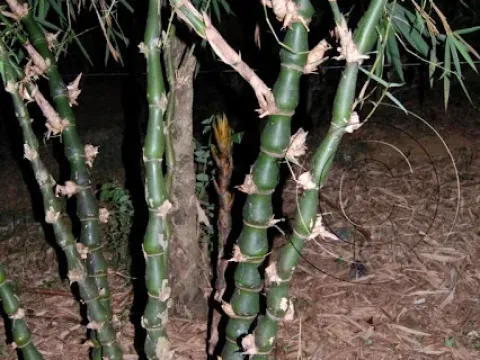
Davidsea is a monotypic genus belonging to the Poaceae family. The successful cultivation of this crop starts with precise timing of sowing operations.
What the section contains
Davidsea
Seeds are typically sown at the onset of the wet season, when soil moisture and temperature are optimal for germination and establishment.
It is essential to prepare a fine seedbed to ensure good contact between the seeds and the soil particles, which promotes faster emergence.
Sowing density is calibrated based on the intended use of the crop, with adjustments made for row spacing to optimize sunlight penetration.
Good agricultural practices include regular inspection of the field to check for uniform seedling distribution and to monitor for any early development issues.
Being a tropical crop, Davidsea thrives in warm and humid environments, characteristic of its native habitat in South Asia.
The plant requires a consistent supply of water during its growth stages to maximize biomass production and overall plant health.
Ideal soil conditions involve well-drained loamy textures that allow for good root development while preventing waterlogging.
Temperature fluctuations should be minimal, as the crop is adapted to the steady thermal conditions of its natural tropical range.
Maintaining adequate nutrient levels through appropriate fertilization programs is vital for sustained productivity throughout the growing season.
The crop is susceptible to various fungal pathogens that flourish in high-humidity conditions, requiring proactive management strategies.
Pest pressure from insects that target stems or foliage can cause significant yield losses if left uncontrolled during critical growth phases.
Integrated Pest Management (IPM) is highly recommended to protect the crop while minimizing the use of synthetic chemical inputs.
Field sanitation, including the removal of infected debris, plays a crucial role in reducing the inoculum pressure of common diseases.
Regular scouting of the fields provides the necessary data for making informed decisions regarding potential therapeutic interventions or adjustments to crop care.