
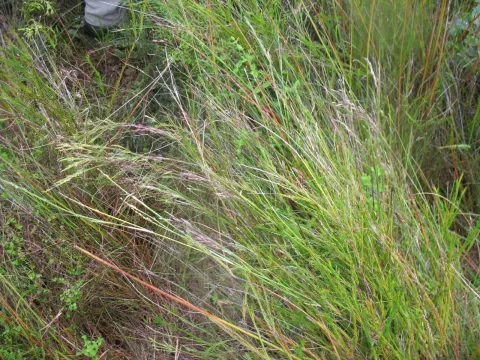
Danthonia paradoxa
Danthonia paradoxa
Danthonia paradoxa is a perennial grass species belonging to the Poaceae family. It is recognized for its durability and adaptability, often serving as a key component in natural and managed grazing ecosystems.
What the section contains
Danthonia paradoxa
Sowing should be performed in early spring when soil temperatures reach approximately 10 degrees Celsius. Proper seedbed preparation is essential to ensure small seeds maintain good soil contact, promoting uniform germination across the field.
The recommended seeding depth is shallow, typically about 1 to 2 centimeters. This depth prevents desiccation while allowing sufficient light for the developing seedling to break through the soil surface effectively.
Establishing a dense stand is crucial for weed suppression. Initially, the grass may show a slow growth rate, requiring diligent field monitoring to protect the young seedlings from aggressive weed competition during the first weeks.
Rolling the soil after sowing helps improve moisture retention and provides a firm bed for the seeds. This simple mechanical practice significantly increases the percentage of successful establishment in varied field conditions.
Danthonia paradoxa is highly versatile regarding soil conditions and can tolerate acidic environments where many other forage crops fail. It prefers well-drained loamy soils but displays remarkable resilience in nutrient-poor substrates.
This species is well-known for its drought tolerance, which is supported by its deep and efficient root system. These physiological traits allow it to remain productive during dry spells when other grasses might enter dormancy.
Full sun exposure is a primary requirement for optimal development. Shaded areas significantly limit the photosynthetic activity of the plant, leading to sparser stands and reduced overall biomass production for grazing.
Minimal fertilization is required for this crop compared to intensive cereal farming. However, a light application of nitrogen-rich fertilizer in early spring can boost vegetative recovery and increase seasonal yields.
Management through rotational grazing is highly recommended. This practice ensures that the plants have sufficient recovery time, maintaining the vigor of the stand and preventing degradation of the pasture quality.
Generally, Danthonia paradoxa exhibits high resistance to common fungal pathogens that typically afflict forage grasses. Its sturdy nature and natural defenses protect it from the majority of endemic soil-borne diseases.
Insect pests such as grass flies can occasionally cause damage to young shoots. Maintaining a healthy ecosystem with diverse insect life often keeps these pest populations below economic injury levels without requiring chemical intervention.
Excessive moisture can lead to root rot if the field lacks proper drainage. Addressing soil drainage issues is the most effective way to prevent these problems and ensure the long-term health of the pasture stand.
Weed infestation is a primary threat during the establishment phase. Cultural control methods, such as mowing or light grazing, are preferred to maintain the integrity of the crop without relying on synthetic herbicides.
Preventative monitoring is the best strategy for maintaining healthy yields. Regular assessments by agronomists help identify potential stressors early, allowing for quick adjustments in management practices before problems escalate.