
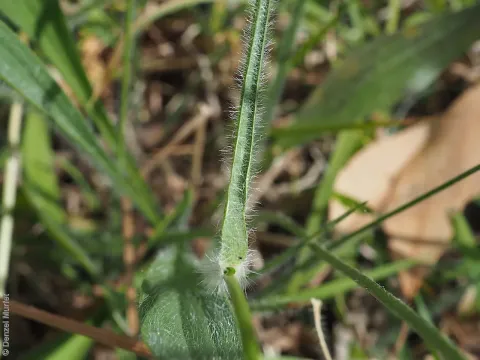
Danthonia pilosa
Danthonia pilosa
Danthonia pilosa, commonly known as hairy danthonia, belongs to the Poaceae family. It is a perennial grass species recognized for its remarkable ability to persist in environments that are challenging for more conventional forage crops.
What the section contains
Danthonia pilosa
Originating from regions with varied climates, including parts of Australia and New Zealand, this grass has adapted to survive in soils with low fertility and varying acidity levels. It is highly valued for its role in maintaining soil integrity in degraded landscapes.
The botanical features of this species include a dense, tufted growth habit and a deep root system that provides excellent drought tolerance. These traits allow the plant to thrive during dry seasons when other grasses go dormant or perish.
The crop demands minimal agricultural intervention, making it an excellent choice for low-input farming systems. It performs best in well-drained soils and requires full sun exposure to maintain optimal photosynthetic activity and biomass production.
In terms of agricultural use, Danthonia pilosa serves primarily as a permanent pasture grass. It provides a reliable, albeit moderate-quality, forage source for grazing livestock, helping to bridge the gap during periods of limited feed availability.
Despite its hardy nature, Danthonia pilosa can be susceptible to fungal diseases such as leaf rust, especially when moisture levels remain high for extended periods. Poor air circulation within dense stands further promotes the spread of pathogens.
Pest issues often involve soil-dwelling larvae that feed on the root systems, which can weaken the plant and reduce its ability to recover after grazing. Additionally, various coleoptera species may attack the foliage during peak growth months.
Managing the grazing intensity is the most effective biological control against these threats. Proper stocking rates ensure that the grass stand remains healthy and vigorous, which naturally suppresses the impact of pests and diseases.
Chemical control is rarely utilized in extensive pasture systems due to cost considerations and environmental concerns. Instead, farmers focus on integrated pasture management to maintain the health and longevity of the sward.
Weed encroachment is a primary concern for newly established stands of hairy danthonia. Effective weed control during the seedling stage is essential to ensure the crop successfully establishes and develops the competitive power needed for long-term survival.