
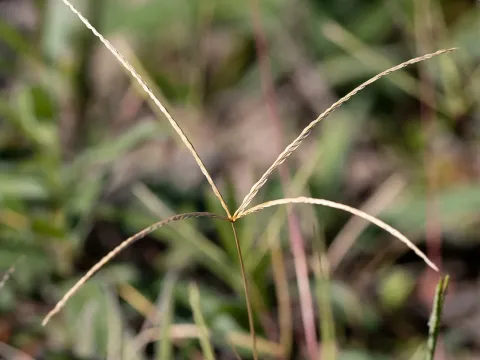
Cynodon convergens
Cynodon convergens
Cynodon convergens is a perennial grass species belonging to the Poaceae family, widely recognized for its adaptability to arid and semi-arid environments. It serves as a vital component in grassland ecosystems where other crop species struggle to survive due to limited precipitation.
What the section contains
Cynodon convergens
The botanical structure of the plant features extensive stolons and rhizomes, which allow it to spread horizontally and form a dense, protective turf. This morphological trait makes it an excellent choice for soil stabilization and erosion control, particularly in sandy or degraded landscapes.
Regarding light requirements, Cynodon convergens is a sun-loving species that thrives in full exposure. It does not tolerate shade, meaning that its successful establishment depends on high solar radiation levels, which also promote faster vegetative growth and biomass accumulation.
While the species is tolerant of various soil conditions, it performs best in well-drained soils with neutral to slightly alkaline pH. Its ability to tolerate moderate salinity levels makes it a valuable candidate for reclaiming marginal lands that might otherwise remain unproductive.
The plant is highly thermophilic, with its main growing season occurring during peak summer temperatures. Its deep root system allows it to access subsoil moisture, enabling the plant to remain green and productive even during short-term drought periods when other grasses go dormant.
The primary agricultural use of Cynodon convergens is as a grazing grass for livestock. Its ability to regenerate rapidly following defoliation makes it highly resistant to intense grazing pressure, allowing it to maintain a productive stand over many growing seasons.
When managed under irrigation or in regions with sufficient seasonal rainfall, the grass provides high-quality forage rich in essential nutrients. The leaves are relatively soft and palatable to cattle, sheep, and goats, supporting healthy weight gain and milk production.
To maximize the yield of green biomass, farmers often implement a rotational grazing system. This practice prevents overgrazing and ensures that the plants have adequate recovery time, which significantly increases the annual dry matter production of the pasture.
Nutrient management is key to maintaining high yields; specifically, balanced nitrogen applications can dramatically improve the protein content and regrowth rate. Proper fertilization is recommended based on soil testing to optimize inputs and ensure economic viability.
The persistence of the stand is a major advantage of this crop, as it reduces the need for frequent re-seeding. In stable conditions, a well-managed pasture can remain highly productive for years, providing a consistent source of forage for livestock operations.
The main threats to Cynodon convergens plantations involve waterlogging and poor soil aeration, which can lead to root diseases. Ensuring proper field drainage is the most effective way to prevent fungal infections that could compromise the health of the turf.
Pest management focuses primarily on controlling leaf-eating insects and stem borers during the active growth phase. Regular monitoring of the stand is essential to detect early infestations and implement timely cultural or biological controls.
Weed competition can be a significant issue during the initial establishment phase. Once the Cynodon convergens turf is fully established, it typically outcompetes most invasive weeds, but initial site preparation and periodic mowing can help keep the field clean.
Overgrazing poses a serious risk to long-term sustainability, as it can deplete the plant's energy reserves stored in the rhizomes. Proper stocking rates must be strictly observed to maintain the health and vigor of the grassland over the long term.
General preventative measures include maintaining optimal fertility and avoiding excessive moisture retention in the soil. A healthy, vigorous stand of Cynodon convergens is inherently resistant to most environmental stressors and minor pest outbreaks.