
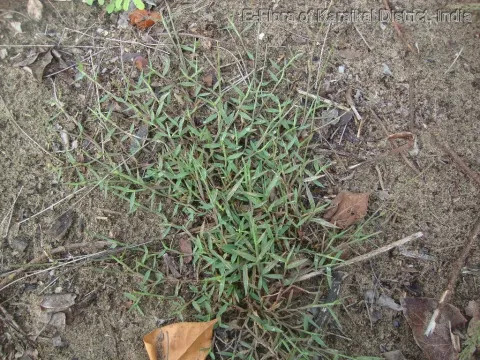
Cynodon barberi
Cynodon barberi
Cynodon barberi is a perennial, heat-loving grass that requires consistent warmth for successful germination and early establishment.
What the section contains
Cynodon barberi
Sowing should be scheduled at the onset of the wet season, as high humidity and adequate moisture are critical for the root system to gain strength.
Seed depth must be minimal, as the seeds are small and rely on a firm connection with the soil surface for optimal water absorption.
Vegetative propagation is also a common method, where rhizome segments are distributed across the field and pressed into moist, fertile soil.
Proper timing ensures that the plants grow vigorously during the peak of the growing season, outcompeting local weeds effectively.
Belonging to the Poaceae family, this species requires full sun exposure and performs poorly in shaded or low-light agricultural environments.
It thrives in a variety of soil types, showing exceptional adaptability to sandy, loamy, and even slightly alkaline substrates common in its native range.
The plant demonstrates significant drought tolerance due to its deep-reaching rhizomes, which can access moisture stored in lower soil horizons.
Drainage is essential; while the plant is hardy, prolonged waterlogging leads to root rot and decreases overall biomass productivity.
For best results, the soil should be maintained at a pH between 6.0 and 7.0, ensuring the bioavailability of essential macro and micronutrients.
Cynodon barberi is highly valued for its ability to provide high-quality green fodder that sustains continuous grazing by livestock.
Under optimal management, which includes regular nitrogen applications, the yield of green matter per hectare remains consistent over many years.
The crop produces its highest nutritional value when harvested at the vegetative stage, just before flowering, ensuring high protein and mineral content.
Its growth pattern allows for multiple harvests per season if moisture conditions are met, making it a reliable source of dry matter for feed.
Due to its dense growth habit, it is also highly effective as a ground cover, minimizing soil loss from wind and water erosion in agricultural settings.
Fungal pathogens such as rust are the most frequent threats, particularly in regions where humidity levels remain high for extended periods.
Root rot, often caused by pathogenic soil-borne fungi, can occur if the irrigation schedule leads to anaerobic conditions in the root zone.
Insect pests, including various larvae species, can occasionally damage the underground stems, leading to stunted plant growth and reduced vigor.
Integrated pest management strategies are recommended, focusing on maintaining soil health and using crop rotations to break pest life cycles.
- Regular field monitoring for discolored leaves and spots.
- Avoidance of over-irrigation in heavy soil types.
- Prompt removal of diseased plant biomass from the field.
Mechanical harvesting is typically performed using forage harvesters, with the blade set to a height that allows the crown to survive for regrowth.
When producing hay, the grass should be raked into windrows and dried to approximately 15% moisture content to prevent fermentation during storage.
Seed harvesting requires careful timing, targeting the moment when the inflorescences show signs of maturity but before significant shattering occurs.
Storage should be handled in ventilated, dry areas to maintain the nutritional integrity of the harvested fodder throughout the off-season.
Maintenance after harvesting, such as clearing debris, encourages the plant to enter a resting phase followed by a stronger growth surge.