
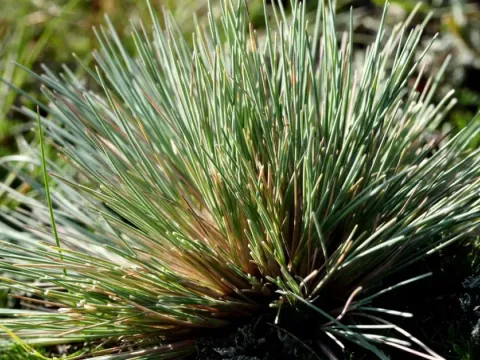
Corynephorus macrantherus
Corynephorus macrantherus
Sowing of Corynephorus macrantherus is typically carried out in early spring when the soil retains sufficient moisture. Optimal timing usually falls between March and April, depending on the climatic zone.
What the section contains
Corynephorus macrantherus
Seeds are sown at a shallow depth of 1-2 centimeters to ensure effective germination. Using high-quality seed material with strong germination energy is vital for achieving a dense and uniform stand.
In arid regions, winter sowing is sometimes practiced to allow seeds to benefit from natural stratification. This method facilitates earlier vegetation onset in the following spring season.
The seeding rate is generally set at 10–12 kg per hectare, depending on the intended use of the grassland. Ensuring proper soil-seed contact is crucial for successful emergence.
After sowing, it is recommended to use light rollers to pack the soil. This practice prevents surface drying and creates a favorable environment for the root development of the young plants.
Corynephorus macrantherus belongs to the Poaceae family and is recognized for its high ecological flexibility. It thrives in well-drained sandy or loamy soils, which match its natural habitat.
The plant demonstrates exceptional drought tolerance, making it an excellent candidate for cultivation in steppe and dryland areas. Its root system is capable of accessing water from deep soil horizons.
It prefers open, well-lit areas with neutral to slightly acidic soil conditions. Waterlogging is detrimental to this species and must be avoided to prevent root damage.
Agricultural management requires minimal fertilizer input, as the plant is adapted to nutrient-poor soils. Excessive nitrogen application can actually reduce the plant's overall resilience.
The species is well-adapted to various temperature fluctuations and possesses strong cold-hardiness. It can withstand harsh winter conditions without significant loss of plant density.
Common plant diseases include various rust fungi that may affect leaves during periods of high humidity. Crop rotation and maintaining optimal stand density are key preventive measures.
Cereal pests, such as grass flies and stem bugs, can pose threats during the early growth stages. Field monitoring is essential to detect pest activity and apply control measures when necessary.
Powdery mildew may develop during wet years, especially in dense or poorly ventilated stands. Improving air circulation and controlling stand density are effective ways to manage this risk.
Root rots are frequently associated with improper drainage and waterlogged conditions. Maintaining proper soil moisture levels is essential for the long-term health of the crop.
Utilizing resistant seed varieties and adhering to proper agricultural protocols are the best defenses against pathogens. Ensuring clean seed material minimizes the risk of introducing diseases.