
Corsican fescue
Festuca cyrnea
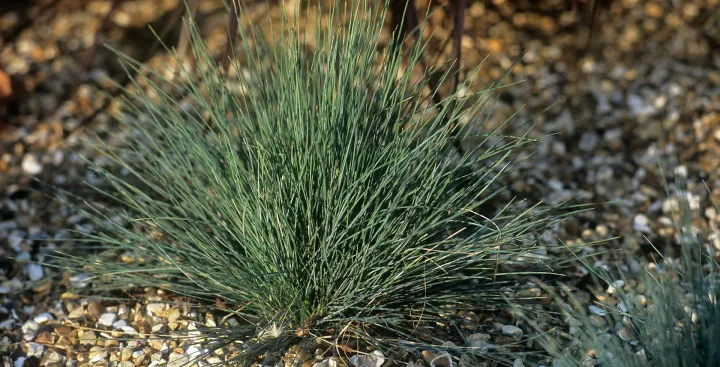
Description
Sowing dates
Corsican fescue is a perennial grass species belonging to the Poaceae family. Sowing typically occurs in early spring or late summer, ensuring the plants have enough time to establish their root systems before extreme temperatures arrive.
Precision in seeding depth is critical for this species; a depth of 1-2 centimeters is generally recommended. Since the seeds are relatively small, deep burial can prevent successful emergence, while shallow sowing must be followed by rolling to ensure soil-seed contact.
Seeding rates should be adjusted based on the intended land use—whether for hay production or rotational grazing. Ensuring proper spacing allows for efficient tillering, which is vital for building a dense and durable grass cover over time.
As the seedlings show relatively slow initial growth, weed management during the establishment phase is essential. Providing a weed-free environment allows the fescue to dominate the plot and establish a healthy, competitive root network.
Once established, the plant becomes highly resilient and capable of surviving in various soil types. Its ability to propagate and form a dense mat makes it a preferred choice for soil conservation and permanent pasture improvement projects.
Growing requirements
This grass thrives best in well-lit environments, preferring full sun exposure for optimal photosynthesis. While it can tolerate partial shade, productivity significantly drops in low-light conditions, leading to sparser biomass accumulation.
Regarding soil, Corsican fescue requires well-drained, fertile substrates with a neutral or slightly acidic pH level. It is particularly sensitive to waterlogged conditions, which can lead to root rot and long-term degradation of the plant stand.
The species exhibits impressive drought resistance due to its physiological ability to conserve water during dry spells. This trait makes it an excellent choice for regions that experience irregular rainfall patterns throughout the growing season.
Temperature tolerance is another key strength, as the plant is well-adapted to surviving cold winters. It remains dormant during extreme frost and resumes growth rapidly once temperatures rise in the spring, ensuring a long grazing season.
Soil nutrient management, particularly the application of balanced nitrogen-based fertilizers, enhances the plant's tillering capacity and forage quality. Proper fertilization schedules contribute to the longevity and yield potential of the pasture.
Main diseases and pests
Like many forage grasses, Corsican fescue is susceptible to various fungal pathogens, such as rust and leaf spot diseases. These threats become particularly prominent during periods of high humidity and poor air circulation within the stand.
Insect pests, including cereal aphids and various grass-feeding larvae, can cause structural damage to the leaves and stems. Constant monitoring is necessary to identify early signs of infestation before it spreads throughout the entire field.
Powdery mildew is another common concern, especially when there are significant diurnal temperature fluctuations. Proper management practices, such as preventing overcrowding, can help mitigate these risks by improving airflow throughout the plant canopy.
Integrated pest management strategies should be prioritized over blanket chemical use. This includes maintaining the health of the stand through proper grazing intensity, which prevents the build-up of older, susceptible tissues that attract pathogens.
When chemical control is necessary, it should be applied strictly according to regional agricultural safety guidelines. However, focus should remain on proactive cultural practices to ensure the long-term sustainability and health of the crop.