
Coromandel dropseed
Sporobolus coromandelianus
Description
Growing requirements
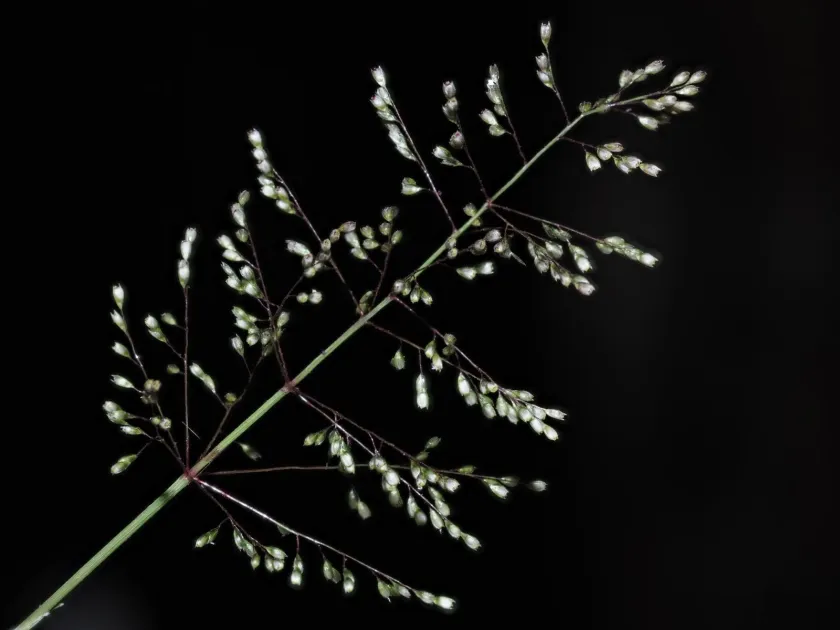
Coromandel dropseed (Sporobolus coromandelianus) is a perennial grass species belonging to the family Poaceae. It is native to tropical and subtropical regions of Asia and Africa, where it thrives in diverse environments.
This grass is widely recognized for its exceptional tolerance to drought and poor soil quality. It is frequently found in open grasslands, rocky areas, and sandy plains, demonstrating its ability to survive in environments where moisture is limited.
For optimal growth, Sporobolus coromandelianus requires full sunlight and well-drained soil. It does not tolerate prolonged waterlogging, which can cause root decay and stunt its development.
The plant grows best in temperatures between 25°C and 35°C. It is capable of entering a state of dormancy during extreme dry periods, allowing it to survive until conditions improve.
Cultivation practices should focus on maintaining soil aeration and minimizing compaction. Even though it adapts to nutrient-poor soils, modest nitrogen fertilization can significantly boost biomass production in managed pastures.
Yield
The primary economic use of Coromandel dropseed is as a fodder source for livestock. It is known for its high palatability in its vegetative state, providing essential nutrients to cattle, sheep, and goats.
The grass is highly resilient to grazing pressure, making it a sustainable choice for rotational grazing systems. Its ability to regrow rapidly after defoliation ensures a continuous supply of fodder throughout the growing season.
Yield metrics vary significantly based on precipitation levels. In managed grasslands, it can provide multiple cuts per year, provided that soil moisture remains adequate for regrowth.
Nutritional value peaks before flowering. Farmers are advised to manage grazing schedules so that livestock utilize the plants while the forage is tender and protein-rich, before the stems become overly lignified.
In addition to its value as forage, Sporobolus coromandelianus plays a critical role in soil conservation. Its dense root system helps to stabilize loose soil and prevents surface erosion in arid regions.
Main diseases and pests
Coromandel dropseed is generally resistant to many common fungal and bacterial diseases that affect other agricultural grasses. Its natural evolution in harsh climates has endowed it with strong defensive mechanisms.
While disease is rarely a major concern, root issues can emerge if the soil remains waterlogged for extended periods. Proper site selection and drainage management are the best preventative measures.
Occasional infestations of sap-sucking insects or leaf-eating larvae may occur, but these are typically manageable and rarely lead to large-scale crop failure in healthy, well-maintained stands.
Management of competitive weeds is most important during the establishment phase. Once the stand of Coromandel dropseed is fully established, its density usually suppresses competing weed species naturally.
Sustainable pasture management, including proper stocking rates, is essential to keep the stand healthy and productive, ensuring that the grass can effectively outcompete threats and maintain its vigor.