
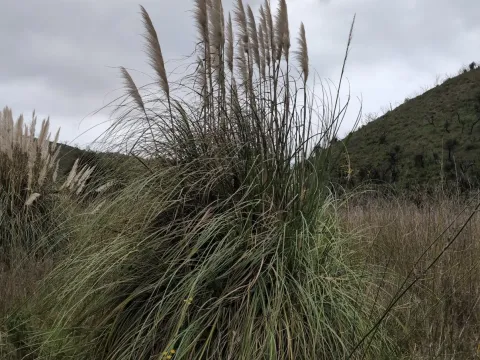
Cortaderia
Cortaderia Stapf
Sowing Cortaderia seeds is typically performed in late winter or early spring, around March or April, using a protected environment. The seeds are very fine, so they should be distributed on the surface of the growing medium without covering them deeply, just lightly pressing them into the soil.
What the section contains

Cortaderia
For successful germination, the seeds require a temperature of about 20–22 degrees Celsius and consistent moisture. Seedling containers must be covered with glass or film to create a greenhouse effect, while providing diffused light.
Pricking out young seedlings into individual pots is carried out once they have developed several true leaves. Transplanting into the open ground should only happen after the danger of late frost has passed and the soil has sufficiently warmed up.
It is important to note that Cortaderia grows slowly in its initial stages, making the seedling method the most reliable way to ensure the plant's long-term viability. In regions with harsh climates, direct seeding into the ground is rarely practiced due to the short growing season.
When using vegetative propagation by dividing the clumps, the process is best timed for early spring when the plant begins to break dormancy. This method is preferred for maintaining specific cultivar traits and achieving a mature, decorative plant faster.
Cortaderia is a perennial herbaceous plant belonging to the Poaceae (grass) family, originating from South America. It prefers well-lit, open areas, as shade reduces its ornamental appeal and may prevent flowering altogether.
The plant has moderate soil requirements but thrives best in fertile, well-drained, and moisture-permeable substrates. Excessive soil moisture, especially during the winter months, is highly detrimental to the root system.
The plant demonstrates moderate drought tolerance, but regular watering during the growing season is essential for lush flowering and active development. During hot summer months, it is crucial to avoid complete dehydration of the root ball.
In regions with cold winters, the plant requires special winter protection. The base of the clump should be covered with dry leaves or spruce branches, and the foliage should be tied up to prevent moisture from entering the rosette, which could cause crown rot.
Ensuring sufficient space around the plant is vital for healthy growth, as mature specimens can reach significant heights and widths. It is recommended to maintain proper planting distance to ensure good air circulation.
The practical use of Cortaderia is most commonly associated with floristry and landscape design. Flower stalks with spectacular panicles are harvested in dry weather when they are fully formed but before they start shedding seeds.
For drying purposes, the inflorescences should be hung upside down in a well-ventilated, dark room. This method preserves their shape and color intensity for subsequent use in interior decorations.
In landscape architecture, Cortaderia is utilized as an accent plant in standalone settings or as a dominant feature in the background of mixed borders. It is also successfully applied for shoreline decoration around artificial ponds.
Sanitary pruning of the aerial parts is performed in spring, before the start of active sap flow. Old shoots are cut back to a height of about 30–40 centimeters from the ground, preparing the soil for the growth of fresh foliage.
Caution is necessary when working with Cortaderia: the leaf edges are very sharp and can cause cuts, so all horticultural tasks should be performed while wearing heavy-duty protective gloves and long-sleeved clothing.
Cortaderia generally boasts a robust immune system; however, improper agricultural practices, such as excessive watering or poor air circulation, can lead to the development of fungal diseases.
Root rot is the most common issue, usually resulting from standing water in the root zone. Proper drainage during the initial planting phase is the most effective preventative measure against this condition.
In terms of pests, spider mites may occasionally appear during periods of intense drought. Preventive spraying with acaricides and maintaining optimal air humidity levels can help manage these populations.
Sometimes, Cortaderia may be affected by powdery mildew when exposed to high humidity and high temperatures. In such cases, fungicide applications targeting fungal spores can provide effective control.
Timely cleaning of the clump by removing old, dead leaves in the spring helps reduce the risk of pathogen spread and ensures better airflow to the center of the plant, acting as a preventative measure against many ailments.