
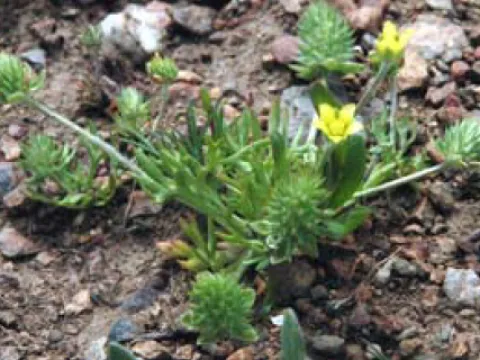
Cornucopiae
Cornucopiae
Cornucopiae, a genus within the Poaceae family, comprises annual grasses that are typically adapted to Mediterranean environments. Sowing generally takes place in the autumn, coinciding with the onset of the rainy season, which provides the necessary moisture for seed germination.
What the section contains

Cornucopiae
The seeds should be planted at a shallow depth of approximately 1–2 centimeters in a well-prepared seedbed. Achieving optimal soil contact is essential for uniform emergence, which is particularly important for small-seeded grass varieties.
Precision planting is highly recommended to prevent over-densification of the stand. By managing plant spacing, growers ensure that individual plants receive adequate nutrients and light, which ultimately leads to better development and higher biomass yields.
In regions with variable seasonal patterns, sowing times can be adjusted based on soil moisture availability. It is crucial to plant when soil temperatures are conducive to germination to ensure a strong root system is established before the onset of the drier, warmer months.
Incorporating this crop into a well-planned crop rotation is vital for maintaining soil health. Avoiding continuous monocropping helps reduce the buildup of soil-borne pathogens and minimizes weed pressure, ensuring better conditions for the crop to thrive.
As a native of Mediterranean regions, Cornucopiae thrives in climates characterized by mild winters and hot, dry summers. It exhibits good resilience to transient water stress, making it well-suited for regions with seasonal drought patterns.
The crop performs best in well-drained, light-textured soils. Avoiding heavy, waterlogged soils is critical, as excess moisture can impede root respiration and lead to fungal issues that compromise plant vigor and overall yield.
Sufficient solar radiation is essential for the crop's physiological development. Sites with full sun exposure are preferred, as these conditions favor optimal photosynthesis and the rapid advancement through various phenological stages.
Strategic nutrient management is necessary to maximize productivity. While the crop does not require excessive fertilization, a balanced application of nitrogen, phosphorus, and potassium supports healthy growth, particularly during the early vegetative stages.
Maintaining soil pH in the neutral or slightly alkaline range is beneficial for nutrient availability. Regular soil testing allows for precise amendments, ensuring that the crop can efficiently access the micronutrients necessary for robust development.
The primary agricultural utility of Cornucopiae is its potential as a forage crop. When harvested at the appropriate vegetative stage—typically before the stem reaches full maturity—it provides a source of quality feed for livestock.
Beyond its value as fodder, the crop contributes to soil structure enhancement. Its root system helps bind the soil, making it a potentially useful cover crop for areas susceptible to erosion, provided the environmental conditions are suitable.
Crop yield is significantly influenced by management practices, particularly moisture availability and weed control. In intensive farming systems, irrigation can substantially boost dry matter production, leading to more reliable harvests.
The distinctive inflorescences of the plant can occasionally hold value in specialty markets, such as the ornamental grass trade. This niche application can offer an alternative income stream for growers interested in diversified agricultural products.
Measuring the biomass yield is an essential component of assessing the crop's economic viability. Producers should monitor growth rates throughout the season to determine the optimal timing for harvest to maximize nutritional quality.
Fungal diseases, such as leaf spots and rusts, represent a significant threat to Cornucopiae, particularly under conditions of high humidity or poor field ventilation. Managing the microclimate within the canopy is crucial for disease mitigation.
Insect pests, including aphids and cereal flies, can cause considerable damage if not managed effectively. Regular scouting of fields is recommended to identify early infestations, allowing for the timely application of integrated pest management strategies.
Weed competition during the seedling stage is a primary obstacle to establishment. Implementing effective pre-emergence control methods or mechanical weeding is necessary to protect the young plants from losing out on vital resources such as sunlight and space.
Environmental stressors, such as late spring frosts, can negatively impact crop vigor. Strategic planning, including selecting planting sites with favorable microclimates, can help reduce the impact of these unpredictable weather events.
Phytosanitary practices are essential for preventing the introduction of pathogens. Using high-quality, treated seed and adhering to proper field hygiene are foundational steps for maintaining a healthy and productive crop throughout the growing cycle.
The timing of the harvest is dictated by the intended end use of the crop. For forage, harvesting should occur before the plant enters the reproductive stage to ensure the biomass remains palatable and nutrient-dense.
Modern harvesting equipment, such as forage harvesters, should be calibrated to maintain the correct cutting height. This avoids collecting soil debris and ensures that the harvest remains clean, preserving the quality of the gathered material.
When producing seed, harvest should be delayed until the crop reaches full physiological maturity. Conducting the harvest during dry, stable weather conditions is imperative to prevent seed loss and ensure the material dries properly for storage.
Post-harvest handling, including cleaning and drying, is essential for maintaining the seed's viability. Proper storage in cool, dry conditions prevents the development of mold and preserves the germination potential for future sowing seasons.
Incorporating crop residues back into the soil after harvest is a sustainable practice that aids in organic matter accumulation. This improves soil fertility and physical properties, preparing the field for subsequent crops in the rotation cycle.