
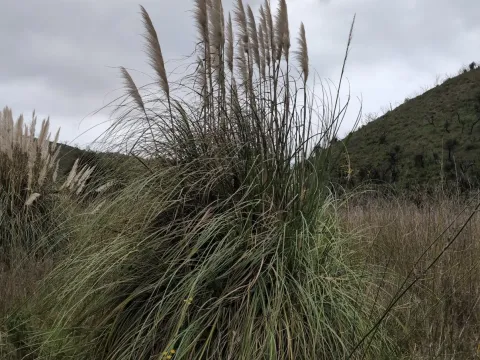
Cortaderia
Cortaderia
The propagation of Cortaderia is commonly achieved through seeds sown in late winter. Using a seed tray with well-draining potting soil, seeds are lightly covered and kept in a warm, bright environment to stimulate germination.
What the section contains


Cortaderia
Maintaining high humidity during the initial germination phase is essential. Using a plastic cover helps trap moisture, though ventilation must be monitored to prevent damp-off diseases.
Once seedlings have developed their first true leaves, they are transplanted into individual pots. This practice encourages stronger root development and makes final transplantation easier.
Hardening off the seedlings is a critical step before moving them to the field. This involves gradually introducing the plants to outdoor temperatures and light intensity over a week or two.
Planting in the garden should only happen once the danger of frost has passed. Ensuring the soil is warm and well-prepared promotes faster establishment of the young grass plants.
Cortaderia belongs to the Poaceae family and originates from the grassland regions of South America. As a hardy perennial, it requires full sun exposure to maintain its vigorous growth pattern.
The ideal soil for this crop is fertile, well-draining, and rich in organic matter. While it is adaptable to various soil types, it absolutely thrives in loamy soils that do not retain excess water.
Climate adaptability is limited; while established plants can withstand some cold, severe winters often require insulating the crown with dry mulch or protective wrapping to prevent freezing damage.
Irrigation should be managed carefully. During the hot summer months, deep watering is preferred to encourage deep root growth, while winter irrigation should be reduced significantly.
Space requirements are significant. Mature plants form large clumps, so proper spacing is necessary to allow for adequate airflow and to prevent competition for nutrients and light.
Root rot remains the primary threat to Cortaderia, especially in areas with heavy clay soils or poor drainage systems. This fungal issue is often fatal if not addressed early.
Spider mites are common pests that thrive in hot, dry environments. They infest the leaf blades, often causing yellowing and a decline in the overall aesthetic quality of the grass.
Aphids can cause stress to young plants by feeding on the sap. Their presence often attracts secondary issues, such as sooty mold, which grows on the honeydew they secrete.
Powdery mildew may occur if the plants are situated in areas with stagnant air. Improving circulation around the foliage is a highly effective cultural control method.
Monitoring the plant for signs of stress, such as leaf discoloration or lack of bloom, is essential. Timely intervention with appropriate horticultural products can effectively mitigate these threats.