
Creeping lovegrass
Eragrostis repens
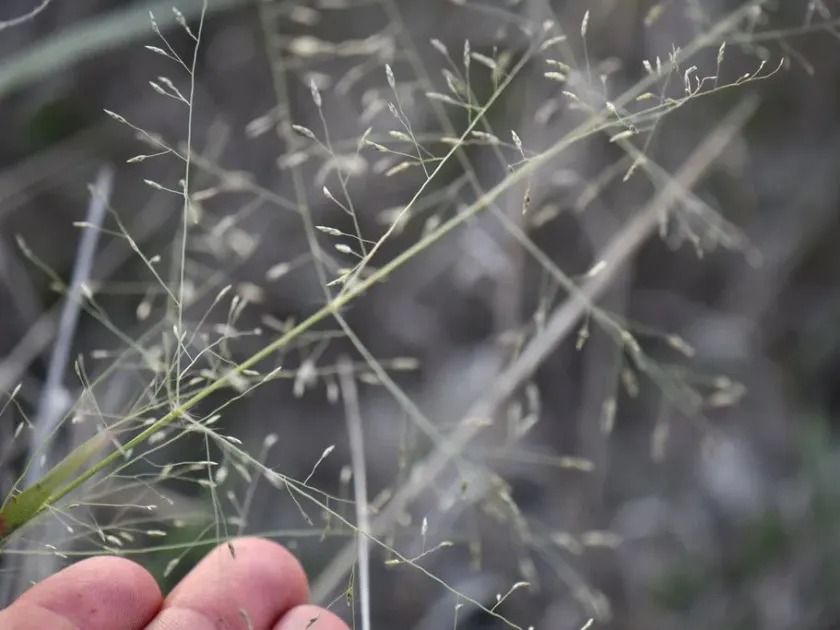
Description
Sowing dates
Creeping lovegrass is typically sown during the spring season when soil temperatures reach 12–15 degrees Celsius. Early planting allows the crop to establish a deep, resilient root system before the onset of the summer heat, maximizing the utilization of available soil moisture.
Due to the small size of the seeds, planting depth must be kept shallow, generally between 1 and 2 centimeters. It is essential to ensure a firm, fine, and well-leveled seedbed. Rolling the soil before and after sowing improves seed-to-soil contact, which is vital for uniform germination.
The standard seeding rate ranges from 6 to 10 kilograms per hectare, depending on the purity and germination rate of the material. Using precision grain drills ensures even distribution across the field, preventing overcrowding and allowing each plant sufficient space to develop its creeping habit.
In regions with mild winters, dormant autumn sowing is sometimes practiced. This method relies on natural stratification to trigger uniform emergence in early spring. However, this approach requires careful monitoring to ensure that warm spells in autumn do not trigger premature germination.
Initial weed control is crucial during the first few weeks after emergence. Once the plants begin to develop their characteristic stolons and rhizomes, they rapidly cover the ground. Their competitive ability increases over time, eventually suppressing most unwanted weeds in the field.
Growing requirements
Creeping lovegrass (Eragrostis repens) belongs to the Poaceae family. It is renowned for its exceptional hardiness and adaptability, making it a valuable crop for marginal lands, sandy soils, and areas where more demanding forage grasses would struggle to survive.
The plant is highly drought-tolerant and heat-resistant, thriving in environments with high solar radiation. These traits make it an ideal choice for pasture development in arid and semi-arid regions where water availability for irrigation is limited or non-existent.
While it thrives in sandy and light loamy soils, it is adaptable to various conditions as long as the soil provides adequate drainage. Creeping lovegrass does not tolerate heavy, waterlogged soils for extended periods, as it requires oxygen for its extensive underground network.
Sunlight is a primary requirement for the healthy growth of creeping lovegrass. It is an obligate heliophyte, meaning it performs poorly in shaded areas. Successful cultivation requires open fields with maximum exposure to direct sunlight throughout the day to ensure dense turf formation.
Though not nutrient-demanding, the crop responds positively to light nitrogen fertilization. Its deep root system allows it to scavenge for nutrients in depleted soils, facilitating the restoration of eroded landscapes and preventing further soil degradation through the stabilization of the top layer.
Yield
The biomass yield of creeping lovegrass is characterized by high reliability throughout its lifespan. Under optimal conditions, the plant can produce multiple cuttings per season, providing a steady supply of fodder for livestock management systems in challenging environments.
Regrowth following cutting or grazing is vigorous, driven by the plant's ability to quickly recover from its vegetative nodes. This recovery speed is a key economic advantage, ensuring that the pasture remains productive throughout the entire growing season without extensive downtime.
Average hay yields typically range from 1.5 to 3.5 tonnes per hectare, depending on soil quality and climatic conditions. While it may not match the massive yields of high-input grasses, its stability and low maintenance costs make it a highly efficient crop for extensive livestock production.
Nutritional value is maintained best when the crop is harvested at the early heading stage. During this phase, the grass provides a balanced diet of fiber and protein, supporting steady weight gains and milk production in grazing animals while maintaining overall herd health.
The long-term productivity of a stand is secured by the plant's strategy of storing carbohydrates in its underground rhizomes. This biological reservoir allows the crop to withstand periods of severe stress, ensuring that the field remains productive for many years without the need for reseeding.
Main diseases and pests
Creeping lovegrass exhibits remarkable natural resistance to most common diseases affecting agricultural grasses. It is rarely affected by rust, smut, or powdery mildew, significantly reducing the necessity for chemical fungicide applications and supporting sustainable farming practices.
The primary threats to the crop are largely management-related, such as excessive stand density which can hinder airflow and potentially promote mold growth in humid conditions. Maintaining proper spacing and timely harvesting are effective preventive measures against fungal infections.
Insects and pests generally pose a low threat to established stands of creeping lovegrass. While wireworms may occasionally target young, germinating seedlings, mature stands are robust enough to withstand typical pest pressures without significant impact on the overall crop yield.
Weed competition is only a significant factor during the establishment phase. As the stand matures, the dense mat formed by the creeping stems effectively outcompetes most invasive species, leaving little room for weed colonization and minimizing the need for herbicide intervention.
Sustainable field management includes regular monitoring of the stand’s vigor and soil health. By following proper crop rotation and avoiding overgrazing, farmers can prevent the buildup of soil-borne pathogens and ensure that the pasture remains healthy and productive for the long term.
Harvesting
Harvesting creeping lovegrass for hay is most effective when performed at the onset of heading. This timing balances high yield with superior nutritional quality. Delaying the harvest leads to lignification of the stems, which reduces palatability and overall feed quality for livestock.
Standard haying equipment, such as mower-conditioners, is used to facilitate quick drying of the cut grass. The goal is to achieve a moisture content of 15–18% in the field before baling or stacking. This moisture level ensures safe storage and prevents overheating of the hay.
For pasture use, rotational grazing is recommended to maximize the lifespan and productivity of the stand. By allowing periods of rest between grazing cycles, the plant can regenerate its rhizome reserves, ensuring rapid regrowth and sustained forage availability throughout the season.
Seed harvesting requires a two-stage approach. The seed heads are cut when they reach maturity and allowed to dry in windrows. Once the seeds are sufficiently mature and dry, they are collected using a combine harvester or a stationary thresher to ensure minimal seed loss.
Post-harvest residues can serve as excellent mulch or bedding material, adding organic matter back into the soil cycle. Integrating the harvest of seeds and fodder allows for a diversified income stream, making creeping lovegrass an economically viable and versatile agricultural asset.