
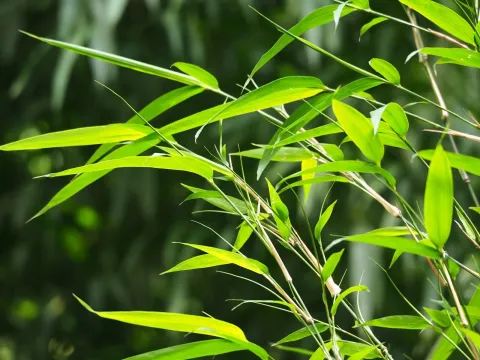
Chimonobambusa
Chimonobambusa Makino
Planting of Chimonobambusa is typically performed through vegetative propagation by dividing rhizomes or transplanting nursery-grown plants with well-developed root systems. The ideal time for planting is early spring after the frost threat has passed.
What the section contains
Chimonobambusa
Given the aggressive nature of the rhizomes, it is essential to leave adequate space between plants or install underground barriers to prevent the bamboo from spreading uncontrollably throughout the garden.
When transplanting, the root ball should be placed at the same depth as it was in the container. Firming the soil and providing an initial deep watering are critical steps for successful establishment.
Site selection plays a vital role in survival; Chimonobambusa thrives best in locations that offer partial shade, avoiding the harsh direct midday sun that can scorch its delicate foliage.
Providing a layer of organic mulch around the base of the plant immediately after planting helps retain soil moisture and stabilizes the temperature around the sensitive young roots.
Chimonobambusa is a genus of perennial evergreen bamboo in the grass family, Poaceae. It is distinguished by its woody, often square or geometric-shaped culms and its ability to form dense, attractive thickets.
The plant requires fertile, well-draining soil rich in organic matter. While it is adaptable to different soil types, it prefers slightly acidic to neutral conditions to maintain optimal health and vibrant foliage color.
Climate requirements for this culture include high humidity and protection from drying winds. Although some species are relatively hardy, most prefer temperate to subtropical climates and struggle in extreme frost without protection.
Regular fertilization with high-nitrogen fertilizers during the active growing season is necessary to support the production of new culms. In late summer, shifting to potassium-rich fertilizers helps the plant prepare for winter.
Consistent moisture is the key to healthy growth. The soil must be kept evenly moist; however, waterlogging must be avoided at all costs, as stagnant water can lead to rapid root rot and plant decline.
The primary use of Chimonobambusa is ornamental. It is a prized choice for landscape architects designing Asian-inspired gardens, privacy screens, and aesthetic features around water elements due to its unique texture.
The culms of the plant are notable for their strength and durability, making them suitable for crafting garden structures, decorative fencing, furniture components, and various small-scale interior design crafts.
Some species produce edible shoots that are valued in culinary traditions, provided they are harvested at the right stage and processed through boiling to eliminate the bitter tannins inherent in raw bamboo.
To maximize the aesthetic yield and density of the bamboo grove, regular thinning of older, less productive culms is recommended. This practice promotes the growth of vigorous new shoots and enhances the visual impact of the planting.
Productivity in terms of biomass depends on the age of the stand; a well-managed Chimonobambusa plantation typically hits its peak ornamental efficiency within four to six years of establishment.
Root rot is the most significant threat to Chimonobambusa, usually triggered by poor drainage or overwatering. Maintaining a balance between hydration and soil aeration is essential for preventing fungal infections.
Pests like aphids and spider mites can infest the foliage, particularly during hot and dry spells. These pests weaken the plant by feeding on sap and can cause premature leaf drop if not managed promptly.
Leaf-eating insects can cause cosmetic damage to the shoots and leaves. In high-density plantings, these insects can become a nuisance, requiring organic insecticidal soaps or biological control methods.
Rust diseases and other fungal pathogens may appear during periods of prolonged wet weather. Good air circulation through regular pruning of old stalks significantly reduces the risk of these diseases spreading.
Preventive maintenance, such as clearing away dead leaf litter and ensuring that the grove is not overcrowded, keeps the plant vigorous and more resilient against environmental stresses and pest pressures.