
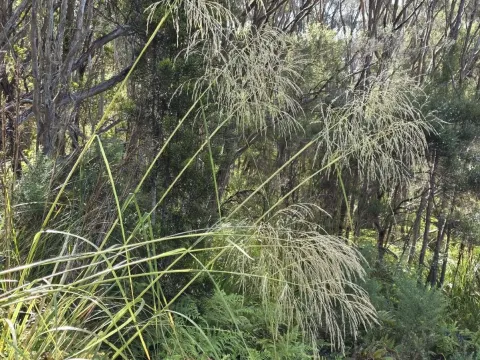
Chionochloa
Chionochloa
Chionochloa is a genus of perennial grasses belonging to the family Poaceae. Often referred to as snow tussocks, these plants are native to New Zealand, where they dominate alpine and subalpine vegetation zones due to their remarkable adaptation to harsh environmental conditions.
What the section contains
 Chionochloa cheesemanii
Chionochloa cheesemanii
Chionochloa cheesemanii
 Chionochloa conspicua
Chionochloa conspicua
Chionochloa conspicua
 Chionochloa crassiuscula
Chionochloa crassiuscula
Chionochloa crassiuscula
 Chionochloa flavescens
Chionochloa flavescens
Chionochloa flavescens
 Chionochloa oreophila
Chionochloa oreophila
Chionochloa oreophila
 Chionochloa rigida
Chionochloa rigida
Chionochloa rigida
 Red tussock
Chionochloa rubra
Red tussock
Chionochloa rubra
 Snow tussock
Chionochloa australis
Snow tussock
Chionochloa australis
 Snow tussock grass
Chionochloa pallens
Snow tussock grass
Chionochloa pallens
Chionochloa
The cultivation of Chionochloa requires a specific approach to soil management. The plants thrive in acidic, nutrient-poor, and highly permeable substrates. Stagnant moisture is the primary enemy of this genus, as it leads to rapid root decay, making excellent drainage an absolute necessity for survival.
In terms of climate, Chionochloa is highly resistant to low temperatures and strong winds. However, it is sensitive to heat stress and excessive humidity during the summer. Ideally, the plants should be situated in cooler regions with sufficient sunlight but protected from scorching mid-day heat.
Standard agrotechnical practices for these grasses involve minimal pruning to remove dry leaf blades, typically performed in late spring. Because they grow slowly, Chionochloa plants do not require frequent fertilization or aggressive pruning, making them relatively low-maintenance choices for experienced gardeners.
The primary use of Chionochloa is within landscape design. Due to their unique, arching foliage and long-lasting silvery or golden inflorescences, they are highly valued for creating textures in rock gardens, mountainous landscapes, and modern minimalist garden designs.
Chionochloa is generally robust against typical agricultural pests and diseases. However, in enclosed or poorly ventilated environments, the plants can become prone to fungal issues such as rust or leaf spot if moisture is trapped within the dense foliage for prolonged periods.
Potential threats include soil-dwelling larvae that may feed on the fibrous root system. Maintaining good soil structure and ensuring sufficient airflow through the plants significantly reduces the risk of infestation, making chemical treatments rarely necessary for established specimens.