
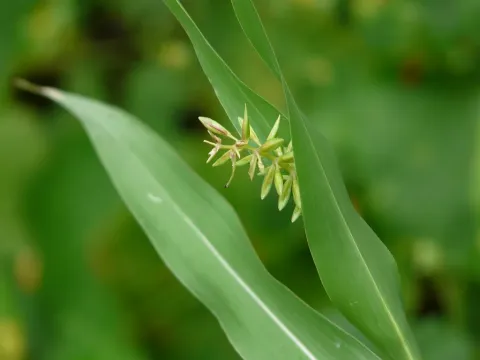
Chionachne
Chionachne
Chionachne is a perennial tropical grass, and therefore the sowing schedule is strictly dependent on the climatic zone and the onset of the warm, rainy season.
What the section contains
Chionachne
In its natural habitat, seeds germinate when soil temperatures remain consistently high, which is essential for the rapid emergence of healthy, vigorous seedlings.
When cultivating in controlled greenhouse environments, seeds should be sown in early spring, maintaining a soil temperature between 22 and 25 degrees Celsius.
Precision in planting depth is crucial; burying seeds deeper than two centimeters can significantly inhibit germination, whereas surface sowing ensures better oxygen access.
Thinning out young plants after they reach a height of 10 centimeters is recommended to reduce competition for nutrients and water, allowing each plant to establish a deep root system.
Belonging to the Poaceae family, Chionachne is naturally adapted to the tropical and subtropical environments of Asia and Northern Australia.
The plant thrives in full sun exposure, requiring at least six to eight hours of direct light daily to maintain its structural integrity and productivity.
Soil quality is paramount; it prefers well-drained, fertile substrates that are either neutral or slightly acidic to ensure optimal mineral uptake.
While the plant requires sufficient moisture for vigorous growth, it is sensitive to waterlogging, which can quickly lead to root rot and diminished overall plant health.
Given its robust stature, the species acts as a wind-resistant crop, making it suitable for exposed landscapes where lighter, more fragile grasses would struggle to survive.
The primary economic value of Chionachne lies in its high biomass production, which is utilized for various technical purposes, including weaving and artisanal crafts.
Yield consistency is highly dependent on nitrogen-rich fertilization during the peak growing season, which encourages fast internode elongation and biomass gain.
Proper management allows for multiple cuttings within a single growing season, provided that the plant receives adequate irrigation during dry spells.
Efficiency in biomass collection is achieved by maintaining optimal planting density, which ensures that each individual plant has sufficient resources to reach maturity.
Secondary yield metrics include the quality of stems; for decorative or industrial use, harvesting must be timed perfectly before the plant becomes overly woody.
Chionachne is susceptible to common grass-related pests, including various species of aphids, leaf-feeding flies, and spider mites during periods of high heat.
Fungal diseases, often manifesting as leaf blight or spot, occur frequently in environments with poor air circulation or excessive leaf moisture.
Integrated pest management, including the removal of infected debris and the use of natural predators, is the preferred method for maintaining healthy stands.
Fungicidal treatments may be necessary in extreme cases, but they should be applied judiciously to avoid disrupting the local ecosystem surrounding the crop.
Root-knot nematodes can occasionally pose a threat; therefore, regular soil monitoring and crop rotation are advisable to maintain long-term site viability.
Harvesting is best performed during dry periods to ensure the collected biomass is low in moisture content, which prevents storage-related mold development.
Using sharp, sanitized tools to cut the stems near the base minimizes damage to the root crown and promotes faster regrowth for the subsequent harvest cycle.
Once harvested, the material should be bundled and left to cure in a shaded, well-ventilated location to preserve its natural color and tensile strength.
Seed collection should be carried out after full maturation, taking care to secure the seed heads early to prevent the natural shattering process common in grasses.
Finally, clearing the field of stubble post-harvest helps in managing potential pathogens and prepares the soil surface for nutrient cycling and future planting efforts.