
Chinese bluestem
Andropogon chinensis
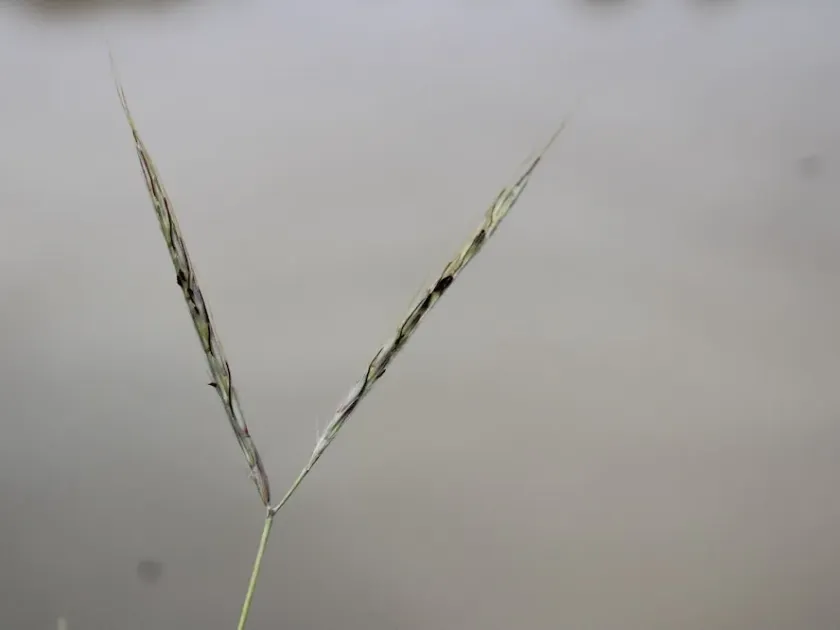
Description
Growing requirements
Chinese bluestem (Andropogon chinensis) belongs to the grass family Poaceae, widely recognized for its ecological importance and potential as a forage crop.
The plant typically grows in regions characterized by distinct seasonal cycles and thrives in well-drained soils that allow for deep root penetration.
It prefers full sun exposure to maximize photosynthetic activity and biomass production, making it unsuitable for shaded agricultural environments.
Soil pH should ideally be neutral or slightly acidic; the plant exhibits good tolerance to various soil types, provided that nutrient availability remains consistent.
Agricultural management must prioritize moisture regulation during the early growth stages, as seedlings require stable conditions to establish effectively.
Main diseases and pests
The crop is susceptible to common grass pathogens, including various types of rust and leaf blight, which can significantly impact the quality of the harvested material.
Pest pressures often involve grass-feeding insects such as aphids and stem borers, which can undermine the structural integrity of the stems and reduce total yield.
Effective management includes regular field inspections to detect early symptoms of disease or pest infestation, allowing for targeted interventions when necessary.
Crop rotation and field sanitation remain the most effective methods to mitigate long-term soil-borne pathogen accumulation in perennial grass systems.
Balanced fertilization is critical, as overly high nitrogen levels can sometimes increase the plant's susceptibility to specific foliar diseases in humid climates.