
Chinese fountain grass
Cenchrus alopecuroides
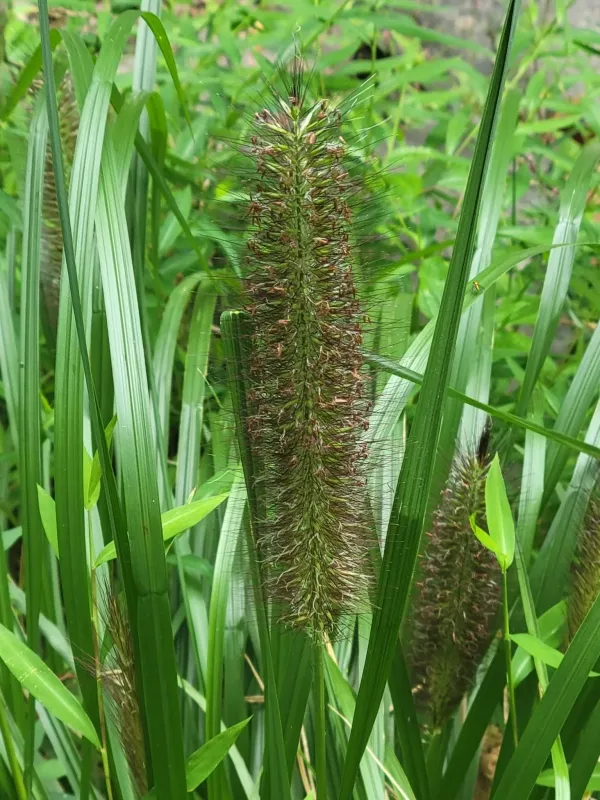
Description
Sowing dates
Chinese fountain grass, known by the scientific name Cenchrus alopecuroides, is a perennial member of the Poaceae family. While primarily grown for its ornamental value in landscaping, it also finds application in soil stabilization projects due to its fibrous root system.
Propagation is primarily achieved through seed sowing in spring or by division of mature clumps. For high-quality seedlings, greenhouse sowing in late winter is recommended to ensure strong plant establishment before the summer heat.
Seeds are small and require minimal soil coverage. A fine-textured, well-draining seedbed is essential to prevent seed rot and ensure uniform germination rates across the planting area.
Division should be performed during the plant's dormancy period, typically early spring. This ensures that the divided plants have ample time to establish their root systems before the onset of the active growth season.
Spacing is critical for long-term health; planting at intervals of 60 to 90 centimeters allows for adequate airflow, which is crucial for preventing humidity-related diseases within the foliage clump.
Growing requirements
This species thrives in full sun, which is necessary to trigger abundant flowering. While it can tolerate partial shade, insufficient light often results in weak stems and poor development of its characteristic fox-tail-like spikes.
The plant exhibits a preference for fertile, loamy soils that possess good drainage. It is highly adaptable to various soil pH levels, although slightly acidic to neutral environments yield the most vigorous growth results.
Water requirements are moderate. Once established, Chinese fountain grass is relatively drought-tolerant, though supplemental irrigation during the hottest months promotes more rapid growth and fuller, more attractive plumes.
Fertilization with a balanced, slow-release NPK fertilizer in early spring supports the flush of new growth. Excess nitrogen should be avoided later in the season to prevent the foliage from becoming overly succulent, which can make it prone to lodging and pests.
Winter maintenance involves leaving the dried foliage intact until early spring, as it provides insulation for the crown. Once the new growth starts appearing, the previous year's foliage should be cut back close to the ground.
Main diseases and pests
Chinese fountain grass is largely resistant to severe pest infestations, but high humidity and stagnant air can facilitate the development of fungal infections such as rust and leaf spots.
Root rot is the most common concern, usually caused by overwatering or soil that lacks proper drainage. To mitigate this, ensure the planting site is slightly elevated or integrated with coarse material to improve aeration.
Aphids can occasionally colonize the soft, emerging growth in spring. Regular inspection of the plant base and early application of insecticidal soaps are effective methods to manage populations without using harsh chemicals.
Grasshoppers may sometimes feed on the foliage during periods of drought. While rarely causing permanent damage, significant infestation can diminish the plant's aesthetic quality for the season.
Proper sanitation practices, including the removal of debris around the crown in the spring, are essential for reducing the carryover of pests and diseases from one year to the next.