
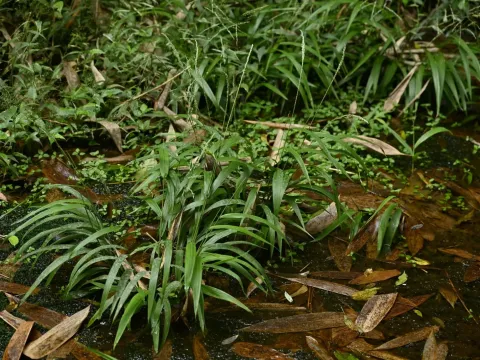
Chikusichloa
Chikusichloa
The sowing of Chikusichloa typically begins when soil temperatures consistently reach 15–18 degrees Celsius. This ensures a stable environment for seed germination, which is critical for the establishment of a robust root system during the early stages of development.
What the section contains
Chikusichloa
Seed depth is a vital factor in successful cultivation, generally kept between 2 and 3 centimeters. Due to the small size of the seeds, planting too deep can significantly inhibit sprout emergence, leading to uneven stand density across the field.
Row planting with spacing of 40–50 centimeters is recommended to facilitate optimal growth and tillering. This configuration also allows for efficient mechanical or manual weeding, which is essential during the initial growth phases to eliminate competition.
In regions with distinct monsoon seasons, sowing is often synchronized with the arrival of the first rains. This provides the necessary moisture levels for the seeds to establish before the peak of the growing season begins.
For large-scale production, precision seeding equipment is utilized to ensure an even distribution of seeds. This uniformity reduces competition between individual plants and maximizes the efficiency of nutrient uptake from the soil.
Chikusichloa is a member of the Poaceae family, known for its preference for high-moisture environments. It thrives in humid subtropical conditions, where both soil and air moisture remain elevated throughout the primary growth phase.
The ideal soil profile for this crop consists of fertile, well-drained loamy or alluvial soils. A slightly acidic pH level between 5.5 and 6.5 is optimal, as it supports the bioavailability of essential minerals needed for stem development.
While the plant thrives in humid conditions, it has a high demand for solar radiation. Proper exposure to sunlight is crucial for photosynthesis, and shaded areas should be avoided to prevent leggy, weak stem growth that compromises quality.
Fertilization management should focus on nitrogen applications during the peak vegetative stage. This supports the vigorous expansion of leaf and stem biomass, which is the primary objective of growing this particular grass variety.
Maintaining a consistent water supply is non-negotiable. While the plant likes moisture, it requires soil with good drainage to prevent waterlogging, which could lead to root asphyxiation during cooler or dormant periods.
Crop yield for Chikusichloa is highly dependent on the quality of soil nutrients and the precision of water management. Under ideal conditions, the crop is capable of producing significant biomass, making it a viable option for forage.
The plant exhibits excellent regenerative properties following harvest, often allowing for multiple cuts within a single growing season. This makes it highly productive in well-managed systems where irrigation is available during dry spells.
Timing the harvest is crucial to maximizing yield quality. Harvesting before the plant enters the reproductive phase ensures that the stems remain tender and nutrient-dense, rather than becoming lignified and fibrous.
Improving yields often involves selecting superior genetic lines that show better leaf-to-stem ratios. Breeding efforts aimed at increasing vigor and resistance to environmental stress are currently the focus for enhancing total production output.
Yield assessment should account for the total accumulated dry matter across all cuts. This provides an accurate reflection of the field's productivity and helps in planning future investments in soil enrichment or irrigation systems.
The primary threats to Chikusichloa cultivation are fungal diseases, particularly leaf spot pathogens that thrive in the humid conditions the plant prefers. Proactive monitoring and the application of biological fungicides are key to mitigation.
Insect pests, such as aphids or cereal-specific beetles, can cause significant damage to young plants. Implementing integrated pest management strategies, including the use of beneficial insects, helps keep pest populations below damaging thresholds.
Weeds pose a substantial challenge during the early establishment phase. A dense canopy must be achieved quickly through proper planting density to shade out invasive species and reduce the need for excessive mechanical weeding.
Environmental stress, such as unseasonable cold snaps combined with wet soil, can weaken the crop and make it more susceptible to opportunistic pathogens. Proper field drainage is the most effective preventative measure against root-related issues.
Crop rotation is recommended to prevent the buildup of soil-borne pathogens. Including diverse species in the rotation cycle helps break pest life cycles and naturally improves the overall soil health for subsequent planting seasons.
The harvest of Chikusichloa is typically performed when the plant is in its peak nutritional state, right before flowering begins. Using specialized mowing equipment allows for efficient processing of large areas while maintaining consistent stubble height.
Post-harvest handling is critical, especially regarding moisture content. The biomass must be dried quickly in a controlled environment to prevent mold growth and maintain the nutritional profile of the harvested product.
The recommended stubble height for harvesting is 7–10 centimeters. Cutting too low can damage the crown and inhibit the plant's ability to regenerate effectively for the next cutting cycle, thereby reducing total seasonal yield.
Seed harvesting requires precise timing to avoid excessive losses due to natural shattering. As the inflorescences ripen, they should be carefully monitored, and harvesting should proceed before the seeds fall to the ground.
Storage facilities for the harvested crop must be cool and dry. Proper aeration in storage is necessary to ensure the longevity of the forage or technical materials, preventing the degradation of quality over extended periods.