
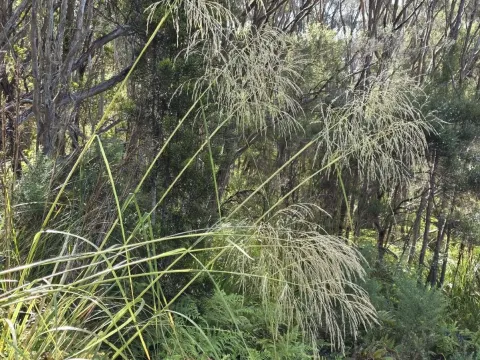
Chionochloa
Chionochloa Zotov
Chionochloa belongs to the Poaceae family and is widely recognized as a genus of perennial bunchgrasses. Often referred to as "snow tussock," these plants are synonymous with the alpine and subalpine landscapes of New Zealand.
What the section contains

Chionochloa
These grasses are adapted to high-altitude environments. They have developed a unique morphology characterized by narrow, stiff, and often sharp-edged leaves that form dense, compact clumps, effectively resisting harsh environmental conditions.
Soil requirements for Chionochloa emphasize exceptional drainage. They typically thrive in nutrient-poor, rocky, or gritty soils where other vegetation may struggle to establish, reflecting their evolution in mountainous regions.
Light exposure is the most critical environmental factor for this culture. Chionochloa plants require full sun to maintain their structural integrity and typical growth form; they do not perform well in shaded conditions.
Agricultural management is generally low-intensity. Minimal fertilization is recommended, as these plants have adapted to survival in low-nutrient environments, and excessive nitrogen can weaken the cellular structure of the leaves.
Root rot is the primary threat to Chionochloa cultivation, primarily caused by waterlogged soil conditions. Proper site selection and soil amendment with grit are essential to avoid suffocation of the root system.
Pests are generally not a major concern under optimal conditions, but during the early establishment phase, snails and slugs can cause significant damage to the succulent young shoots of the plant.
Fungal leaf spot diseases may occur in areas with stagnant air and high humidity. Improving airflow around the plant canopy is the most effective cultural practice to reduce the incidence of these pathogens.
Winter damage is often mistaken for disease. In regions with harsh winters, protecting the center of the crown from freezing water is crucial, as ice accumulation can lead to tissue death in the following spring.
Monitoring for insect infestation, such as mites, is advisable during periods of drought. Maintaining plant vigor through balanced watering helps the specimen build natural resistance to minor biotic pressures.