
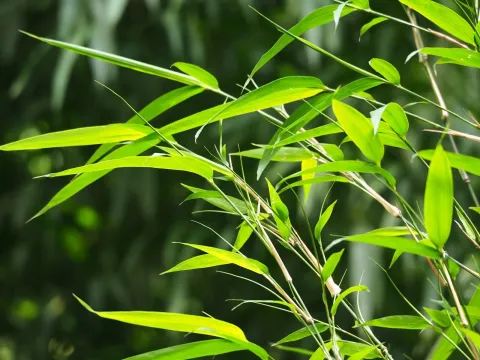
Chimonobambusa
Chimonobambusa
Chimonobambusa is a genus of perennial evergreen plants belonging to the Poaceae family, specifically the bamboo subfamily. Originating from the mountainous regions of East Asia, including China and Japan, this plant is recognized for its robust rhizomes and ability to form dense, impressive clumps in natural habitats.
What the section contains


Chimonobambusa
Successful cultivation requires soil that is rich in nutrients, moisture-retentive, and provided with excellent drainage. While these plants can tolerate different types of light, they perform best in partial shade, mimicking their natural forest understory conditions where protection from intense mid-day sun is available.
Regarding climate, Chimonobambusa species thrive in temperate conditions with high humidity. While they are sensitive to extreme drought, many species are known for their relative hardiness, capable of surviving light frost and short periods of low temperatures, making them a popular choice for ornamental gardens.
A distinctive botanical trait of the genus is the stem morphology; many species exhibit a notable square or quadrangular shape in their younger internodes. This unique aesthetic, combined with their dense foliage, makes them highly desirable for landscaping and private garden designs.
Agricultural management should focus on consistent watering and soil management. Since these bamboos are known for their vigorous spreading habits, it is often necessary to install root barriers or monitor growth boundaries to ensure the plants do not overwhelm neighboring garden areas.
Common health issues for Chimonobambusa include fungal infections, particularly rust or leaf spot, which often result from poor air circulation or excessive moisture around the base of the plant. Maintaining space between plants and ensuring proper soil drainage helps mitigate these risks significantly.
Pest management involves regular monitoring for spider mites, aphids, and scale insects that may sap the plant's vitality. Early detection and the application of mild horticultural oils or insecticidal soaps can effectively control these threats without causing harm to the environment.