
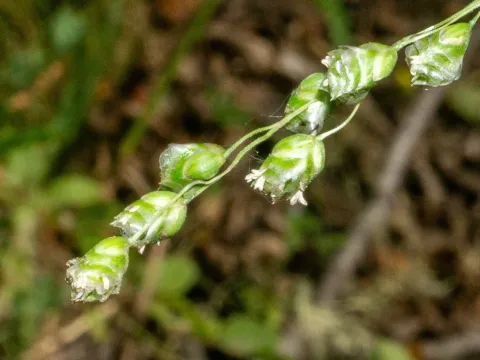
Chascolytrum
Chascolytrum
The sowing of Chascolytrum is typically performed in early spring once soil temperatures reach 10–12 degrees Celsius. Proper seed placement at a depth of 1–2 centimeters ensures optimal emergence and vigorous seedling development in the initial stages.
What the section contains


Chascolytrum
Row spacing should be maintained at 25–30 centimeters to allow adequate airflow and space for the plants to form dense clumps. This spacing is critical for reducing humidity levels around the foliage, which helps in preventing fungal infections later in the season.
For higher success rates, many growers prefer the seedling method. Starting seeds in trays under controlled conditions allows for healthier transplants, which adapt more easily when moved to the field, effectively shortening the growing cycle by several weeks.
In regions with milder winter conditions, late-autumn sowing can be utilized. This practice relies on natural stratification, which can improve germination energy and lead to more uniform stands when growth begins in the following spring.
Post-sowing irrigation is essential to ensure consistent soil moisture. Since seeds are small, they are highly sensitive to surface drying, so maintaining a damp but not waterlogged environment is crucial during the germination phase.
As a member of the Poaceae family, Chascolytrum thrives in full sun exposure. While it can tolerate partial shade, the best aesthetic and biomass results are achieved when the plants receive at least 6–8 hours of direct sunlight daily.
The species prefers well-drained, sandy loam soils with a neutral pH. It is intolerant of waterlogged conditions, which can lead to root rot and diminished plant vigor; therefore, site selection with natural or improved drainage is a high priority.
Chascolytrum is moderately drought-tolerant once established. However, regular irrigation during the active growth phase and throughout the peak of summer is necessary to maximize the size and number of flower spikes, especially if the plant is grown for ornamental or commercial use.
A balanced fertilizer regime is recommended to support robust growth. Nitrogen-based fertilizers are applied in early spring to encourage foliage development, while phosphorus and potassium are essential for supporting the structure of stems and inflorescences.
The plant demonstrates good adaptability to temperature fluctuations. While it can handle heat, it is also hardy enough to withstand moderate winter frosts, provided the crowns are protected by snow cover or organic mulch layers to prevent desiccation.
The yield of Chascolytrum is primarily determined by the quality and quantity of the inflorescences produced. Peak productivity is generally observed starting in the second year of growth, once the perennial root system has matured.
Effective weed control is a primary factor in maintaining yield. Removing competing vegetation ensures that the grass receives the full spectrum of available sunlight and nutrients, which directly impacts the length and uniformity of the flower spikes.
Periodic division of the plant clumps, performed every 4–5 years, is vital for maintaining productivity. This practice revitalizes the root system and encourages the development of fresh, younger shoots that are more productive than older, overcrowded ones.
Uniformity is the key metric for commercial quality. A well-managed plot where plants grow at a similar rate simplifies the harvesting process, as it allows for a single-pass mechanical or manual harvest, reducing labor costs and post-harvest sorting requirements.
Environmental conditions during the flowering phase heavily influence final production. Optimal light levels and balanced hydration lead to superior pigmentation and structural integrity of the grass, which are highly valued in the floriculture industry.
Common diseases affecting Chascolytrum primarily include fungal issues like powdery mildew, which thrive in stagnant, humid environments. Maintaining proper spacing and airflow is the most effective preventative measure against these infections.
Pests, such as aphids and spider mites, can cause significant damage by feeding on the plant sap. This results in yellowing, stunting, and overall weakening of the plant, which may reduce both its ornamental value and its growth potential.
- Monitoring plants for early signs of infestation or fungal growth.
- Applying fungicides preventatively in high-humidity areas.
- Keeping the field clear of debris to prevent disease overwintering.
- Using contact insecticides if pest populations exceed economic thresholds.
Integrated pest management (IPM) is highly recommended. By encouraging beneficial insects and using selective chemical controls only when necessary, growers can protect the grass while preserving the local ecosystem and preventing the development of pest resistance.
Field sanitation is critical for disease management. Removing and destroying affected plant material at the end of the season prevents the buildup of pathogens, ensuring that the following year's crop starts in a healthy and clean environment.
Harvesting should be conducted during dry weather, ideally in the mid-morning once any dew has evaporated. Dry stems are essential for post-harvest quality, as excess moisture can promote fungal growth during the drying process.
The stems are typically cut and bundled into small bunches, then hung upside down in a shaded, well-ventilated area. This method ensures that the inflorescences retain their color and shape, preventing them from drooping or becoming misshapen.
Timing the harvest is crucial to avoid seed shatter. The spikes should be harvested at the point of physiological maturity, when they are fully formed but before the seeds start to disperse, ensuring maximum decorative quality and durability.
Proper storage is essential to maintain the quality of the harvested material. Storing the bunches in a cool, dark, and dry place helps prevent fading caused by UV light and protects them from re-absorbing moisture from the ambient air.
At the end of the harvesting cycle, it is recommended to clean the plot of remaining stalks. This preparation for the winter dormant season is beneficial for plant health, as it reduces the risk of pests and diseases hiding in dead foliage.