
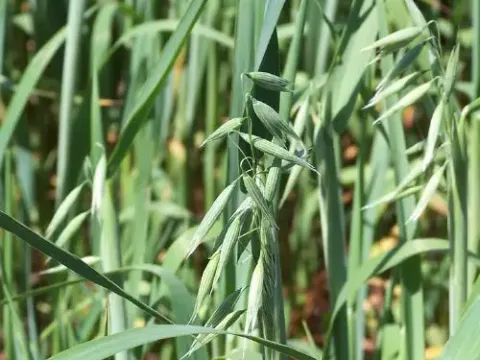
Moroccan oat
Avena maroccana
Moroccan oat (Avena maroccana) is a tetraploid cereal species (2n=28) within the Poaceae family, characterized by the AABB genome. It is highly regarded in botanical and agricultural science as a valuable genetic resource, particularly for improving the resistance of commercial oat varieties.
What the section contains
Moroccan oat
The seeds of this species possess a dormant phase, which is a common adaptive trait in wild cereals. To ensure uniform germination, agricultural practices often involve seed scarification or treatment with specific growth hormones to break the dormancy and synchronize plant development.
Sowing schedules are generally optimized for cool, temperate periods to allow the crop to establish a robust root system before the onset of extreme temperatures. In its native range, timing is strictly aligned with seasonal moisture availability to ensure successful seedling establishment.
Seeding rates are adjusted based on the species' high tillering capacity. Proper spacing is critical to ensure that individual plants have sufficient access to nutrients and light, which ultimately leads to a more uniform and productive crop stand compared to dense, crowded plantings.
The seeds should be planted at a depth of 3 to 5 centimeters, depending on the soil moisture content and physical structure. Ensuring good seed-to-soil contact is essential for water uptake, which triggers the germination process and ensures consistent field emergence.
Moroccan oat is highly adapted to the specific conditions of its mountain and foothill origins. It prefers well-drained soil types, demonstrating a high degree of tolerance to variable soil fertility, though it thrives best in environments that provide consistent moisture during the vegetative phase.
The species is noted for its physiological resilience to moisture stress and temperature fluctuations. These adaptive traits allow the plant to withstand dry spells that would typically cause significant yield losses in less resilient cereal crops, making it a subject of interest for climate-resilient farming.
Like most cereals, Avena maroccana requires full exposure to sunlight for optimal development. Shaded areas should be avoided, as restricted light conditions can lead to spindly stems, reduced tillering, and an overall decrease in the reproductive potential of the plants.
Nutrient management focuses on maintaining a balanced ratio of nitrogen, phosphorus, and potassium. Phosphorus and potassium are particularly vital for developing strong stems and a sturdy root structure, which helps to prevent lodging even under heavy rainfall or wind conditions.
Agronomic practices include active weed control and soil aeration to maintain a healthy rhizosphere. Maintaining a loose surface soil structure is crucial for oxygen circulation, which facilitates nutrient uptake and promotes the overall health of the root system throughout the growing season.
The primary agricultural value of Moroccan oat lies in its natural resistance to major cereal pathogens, such as crown rust and powdery mildew. Breeders use this species as a source of resistance genes to develop hybrid varieties that are better equipped to withstand these diseases.
While the species is naturally hardy, producers must still monitor for common cereal pests like aphids or cereal flies, which can damage seedlings during the early growth stages. Integrated pest management strategies are generally effective in controlling these populations without excessive chemical use.
Smut diseases can potentially affect the crop if sanitary standards are ignored or if infected seeds are used. Therefore, using high-quality, clean seeds and strictly following crop rotation patterns are essential preventive measures to maintain the long-term productivity of the fields.
Maintaining proper field hygiene is essential to prevent the buildup of pathogens. This involves clearing the field of debris and managing wild grasses in surrounding areas, as they can act as alternative hosts for diseases and pests that could otherwise threaten the Moroccan oat crop.
Over-irrigation or poor drainage can pose a significant threat to root health, as it creates an environment conducive to root rot and other fungal infections. Consistent monitoring of soil moisture levels is necessary to ensure that the environment remains unfavorable for pathogen proliferation.