
Moliner's meadow-grass
Poa molinerii
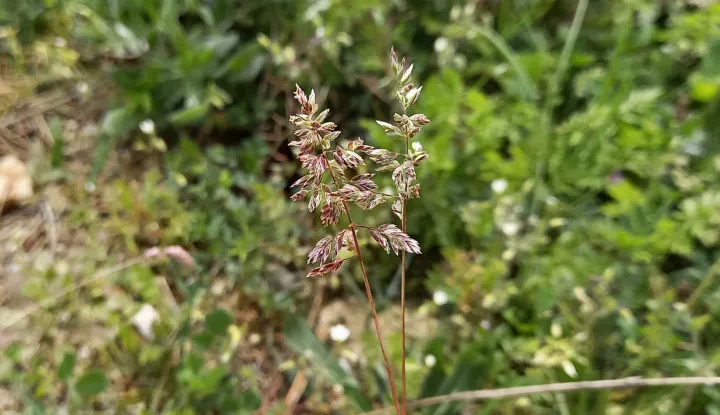
Description
Sowing dates
Sowing should take place in early spring as soon as the ground is workable. Providing sufficient soil moisture is vital for successful germination of the small seeds, which are characteristic of this meadow-grass.
The preparation of the seedbed involves creating a fine, firm surface. Given the size of the seeds, they should be sown at a shallow depth of no more than 1 centimeter to ensure they receive enough light for optimal growth.
Seeding rates are typically between 10 to 15 kg/hectare. Uniform distribution is crucial to establish a dense sward that can outcompete weeds and prevent the establishment of invasive or non-desirable plant species.
Light rolling after seeding can significantly improve seed-to-soil contact, which is necessary for faster germination. In dry conditions, light irrigation might be required to ensure the seeds do not dehydrate.
Fall sowing is also a viable option in high-mountain areas. Allowing the seeds to sit in the soil over winter provides natural stratification, often leading to more uniform growth when temperatures rise in spring.
Growing requirements
Moliner's meadow-grass (Poa molinerii) is a perennial grass species belonging to the Poaceae family. This plant is primarily native to the mountainous and alpine regions of Europe, where it has adapted to survive in harsh conditions.
The grass is known for its robust root system, which allows it to thrive on rocky terrain and steep slopes. This biological feature makes it an excellent choice for erosion control and soil stabilization in high-altitude meadows.
Climate requirements for this species are centered around temperate to cool alpine conditions. It demonstrates exceptional winter hardiness and can endure cycles of frost and thaw common in its native high-elevation habitats.
Soil preferences include well-draining, moderately fertile grounds. While it tolerates acidic conditions, it performs best in neutral soils. Waterlogging should be strictly avoided as it can cause root rot in this species.
Moliner's meadow-grass is often used for revegetation projects in alpine areas due to its environmental resilience. Its ability to grow in relatively low-nutrient soils makes it a low-input requirement crop for farmers.
Yield
The primary use of Moliner's meadow-grass is for grazing and hay production. It is highly valued for its palatable green forage, which livestock, particularly sheep and cattle, readily consume during the summer months.
It has an excellent regrowth capacity after grazing, provided that the grazing intensity is managed properly. This makes it a reliable perennial source of forage throughout the active growing season in mountain meadows.
The yield of hay is dependent on the timing of the harvest. Cutting at the flowering stage ensures that the nutritional content, including crude protein and essential minerals, is maximized for livestock feed quality.
Under optimal alpine conditions, the annual dry matter yield remains steady. With proper soil nutrient management, such as the application of light organic fertilizer, the biomass output can be significantly enhanced.
Proper grazing rotation is essential to maintain the productivity of the meadow-grass over multiple years. Preventing overgrazing preserves the plant's reserves, ensuring it remains vigorous and resistant to stress in following seasons.
Main diseases and pests
Fungal diseases represent the most significant threat to Moliner's meadow-grass, particularly in areas with high humidity or poor air circulation. Rust diseases and powdery mildew are common observations.
Insect pests such as cereal flies or aphids may occasionally colonize the sward. While these pests rarely destroy an entire meadow, they can weaken the plant and reduce its total biomass production.
To mitigate these risks, farmers should focus on field site selection that offers good exposure to sun and wind. This helps in keeping the foliage dry and reducing the conditions favorable for fungal growth.
Avoiding overly dense monocultures can also help prevent the rapid spread of diseases. Integrating Moliner's meadow-grass into diverse plant mixtures can create a more resilient ecosystem against local pests.
Monitoring the health of the plants throughout the season is key. If disease pressure is high, cultural practices like mowing to remove affected leaf matter can often resolve the problem without chemical intervention.