
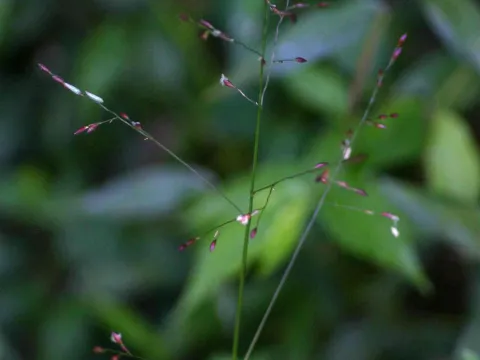
Mountain millet
Panicum monticola
Mountain millet (Panicum monticola) is a perennial or annual grass species belonging to the family Poaceae. This crop is biologically adapted to thrive in high-altitude environments and mountainous regions with specific climatic conditions.
What the section contains
Mountain millet
The origin of Panicum monticola is linked to elevated areas where it has evolved to withstand significant temperature fluctuations and shorter growing seasons compared to lowland millet varieties.
The crop prefers well-drained soils, ideally sandy loams or rocky substrates that prevent waterlogging. Good aeration of the root zone is crucial for the optimal development of this plant, as stagnant water significantly hinders its growth.
Agronomic practices for this species focus on site selection and minimal soil disturbance. Due to its natural adaptation, mountain millet performs well on sloping lands where other traditional agricultural crops often struggle to establish.
In terms of utilization, mountain millet serves primarily as a forage crop for livestock in pastoral systems and is sometimes used in landscape restoration projects to prevent soil erosion due to its robust root system.
The primary threats to mountain millet cultivation include fungal pathogens like rusts and smuts, which can significantly reduce seed production if not managed through proper field sanitation.
Pest pressures are often caused by generalist insects such as stem borers and aphids, which can infest the succulent stems and leaves, especially in warm and humid weather conditions.
Effective management strategies include the use of disease-resistant seeds and the implementation of a diverse crop rotation system to prevent the buildup of soil-borne pathogens and insect populations.
Monitoring for signs of wilting or discoloration in leaves is essential, as early detection allows for targeted treatments rather than broad-spectrum chemical applications.
Maintaining balanced soil fertility through organic amendments can help improve the plant's natural resistance, making it less susceptible to the negative impact of common agricultural pests.