
Mossy bentgrass
Agrostis muscosa
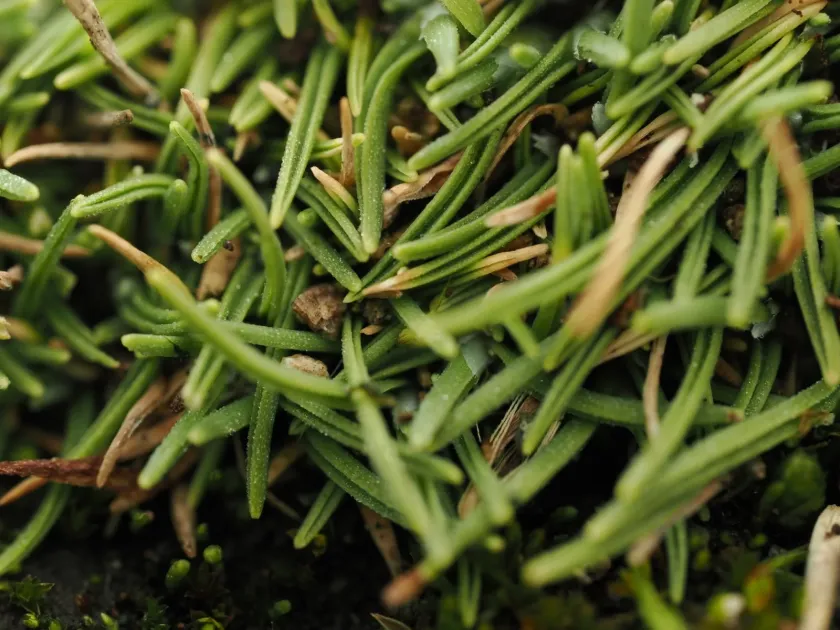
Description
Growing requirements
Mossy bentgrass (Agrostis muscosa) is a perennial grass species belonging to the Poaceae family. It is recognized for its unique low-growing habit, which makes it an ideal candidate for ground cover applications in various environments, including alpine-like conditions.
Botanically, this species is characterized by its fine texture and ability to form a dense, uniform mat. Its growth pattern is largely prostrate, allowing it to adapt to rocky substrates and soils with limited nutrient content where other species might fail.
The climatic requirements of Agrostis muscosa include a preference for cool to temperate regions with high moisture availability. It shows excellent cold tolerance, making it suitable for regions with long, harsh winters, provided that the soil drainage is sufficient.
In terms of agricultural practice, it thrives in slightly acidic to neutral soils. Proper soil preparation is critical, as the small seeds require a fine-tilled seedbed to ensure successful germination and establishment during the initial growth phase.
Host use of mossy bentgrass is primarily focused on landscape architecture and erosion control. Its dense root system and habit of spreading via stolons make it highly effective for stabilizing embankments and creating fine-textured ornamental lawns.
Main diseases and pests
The main threats to mossy bentgrass include various fungal pathogens such as rust and powdery mildew. These diseases are particularly prevalent in areas with poor air circulation or excessive moisture accumulation within the turf canopy.
Insect pests can also be problematic, with white grubs and other soil-dwelling larvae posing a significant risk to the root structure. Furthermore, foliage-feeding insects may cause aesthetic damage that reduces the quality of the turf cover.
Management of these threats involves cultural practices such as regular dethatching and aeration to reduce moisture buildup. Maintaining an appropriate fertilization schedule helps the plants maintain vigor, thereby increasing their natural resistance.
Integrated pest management (IPM) is recommended to control populations of harmful insects without relying exclusively on chemical treatments. Monitoring the turf density and health throughout the growing season is essential for early disease detection.
Proactive care, including irrigation management during dry spells and ensuring proper soil drainage, remains the most effective strategy for preventing the onset of major pathological issues in this grass species.