
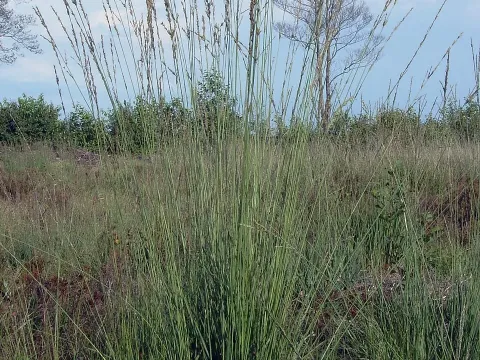
Moor grass
Molinia Schrank
Moor grass (Molinia Schrank) is a perennial herbaceous plant belonging to the Poaceae family. Propagation is primarily achieved through the division of established clumps in early spring when the plant is just beginning to emerge from dormancy.
What the section contains


Moor grass
Seed propagation is also feasible but requires a period of cold stratification to overcome natural seed dormancy. Seeds are typically sown in early spring or late autumn to mimic natural cycles and ensure successful germination.
When propagating by division, each section should contain several viable growing points and a robust root system. Planting depths should be shallow, ensuring that the crown of the plant is level with or slightly below the soil surface.
Spacing requirements vary depending on the specific cultivar; however, a standard planting distance of 45 to 60 centimeters is generally recommended to allow for full development and adequate airflow between mature clumps.
Seedlings or divisions require consistent moisture during their initial establishment phase. Once deep roots are established, the plant becomes more resilient, but early-stage water management is critical for survival.
Molinia is naturally adapted to moist, acidic soils, often thriving in habitats such as moors, heaths, and damp meadows. It is highly intolerant of dry, sandy soils unless consistent irrigation is provided.
The plant is exceptionally winter-hardy and can withstand severe cold, making it suitable for temperate regions. It performs best in full sun but demonstrates good adaptability to partial shade conditions.
Biological maturity is a slow process for this genus. Plants typically take three to four years to reach their full architectural potential and produce the characteristic mass of flowers for which they are prized.
While the plant prefers moist environments, it does not tolerate waterlogged conditions during the summer heat. Proper drainage is essential to prevent root rot and ensure healthy development throughout the growing season.
Molinia has low nutrient requirements and generally thrives in organic-rich soils. Excessive fertilization, particularly with nitrogen, can lead to overly succulent foliage that is prone to lodging or collapse.
While historically used as a grazing grass in marginal lands, modern economic use is largely directed toward the horticultural and landscaping industries. It is widely valued for its long-lasting, dramatic inflorescences.
The plant provides significant ecological benefits by stabilizing soil with its deep root structures, effectively preventing erosion in damp, sloping landscapes or reclaimed agricultural areas.
In terms of forage production, Moor grass has limited utility due to its low nutritional value and coarse texture when mature. It is usually only palatable to livestock in its earliest stages of spring growth.
Molinia serves as an important ornamental feature, with cultivars such as 'Karl Foerster' or 'Transparent' being staples in modern garden design for their structural elegance and late-season color.
Dried flower production is another minor economic channel. The stiff, vertical inflorescences maintain their structure throughout the winter, making them highly sought after for dried floral arrangements.
Moor grass is remarkably resistant to most common grass pests and diseases. Its natural resilience makes it an excellent low-maintenance choice for both large-scale landscaping and private gardens.
In humid, crowded planting scenarios, fungal leaf spots can occasionally occur. Improving air circulation by thinning out dense stands is typically sufficient to manage these issues without chemical intervention.
Root-feeding insects can occasionally be problematic in younger plants, but significant infestations are rare. Maintaining soil health and natural balance is the best preventative measure against subterranean threats.
The most significant threat to Molinia is competition from aggressive weeds during the first year of establishment. Thorough initial weeding is necessary to prevent the grass from being outcompeted.
Winter desiccation or crown rot may occur if the soil remains excessively saturated during fluctuating winter temperatures. Ensuring that the site has appropriate permeability is key to plant longevity.
For horticultural purposes, the primary maintenance harvest occurs in late winter or very early spring. All old foliage and spent inflorescences are cut back close to the ground to allow for fresh growth.
When harvesting for dried flowers, the inflorescences should be cut in late summer or early autumn, just as they reach full maturity but before they begin to shed their seeds or degrade due to weathering.
Harvested material should be bundled in small, loose bunches and hung upside down in a well-ventilated, dry environment to ensure even drying and prevent the development of mold on the stems.
For seed collection, inflorescences should be monitored carefully. Since the seeds are small and ripen unevenly, they are often harvested by shaking the stalks into a container as they become loose.
Maintenance machinery for large-scale operations, such as brush cutters or mowers, should be calibrated to the correct height to avoid damaging the dormant crown of the plant during the spring cleanup phase.