
Montevideo bentgrass
Agrostis montevidensis
Description
Sowing dates
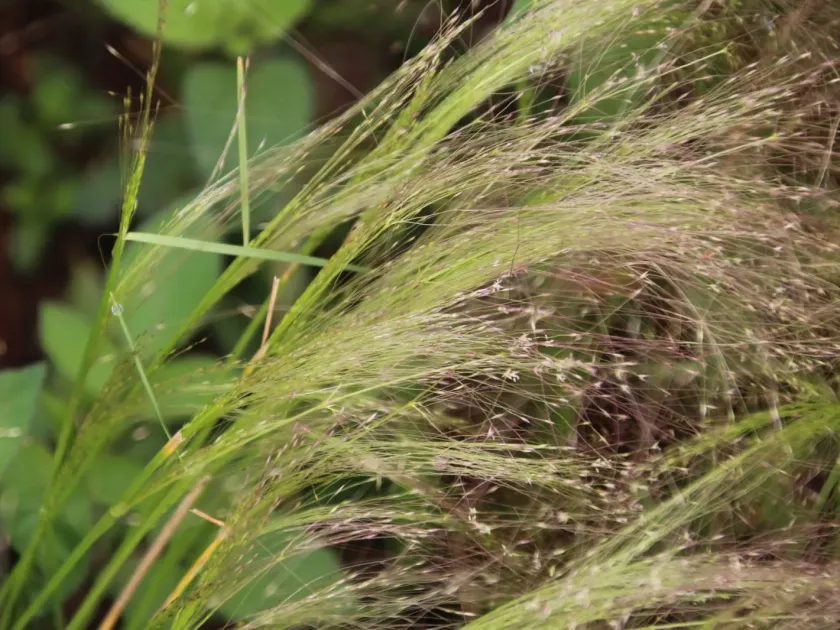
Montevideo bentgrass is a perennial grass species belonging to the Poaceae family. Originating from South American grasslands, this species is recognized for its fine texture and ability to form dense sod. It is primarily utilized as a forage crop due to its resilience and nutritional value for livestock in various environmental conditions.
The optimal sowing time is typically in the early spring, allowing the seeds to establish a strong root system before the onset of high summer temperatures. Successful germination requires a firm and well-prepared seedbed with consistent soil moisture levels. In regions with milder climates, late summer sowing is also a viable strategy to ensure establishment before the first autumn frosts.
Growing requirements
This grass thrives in soils with moderate fertility and good drainage, although it displays notable tolerance to varied soil textures ranging from loamy to silty soils. It performs best when soil pH is maintained within the slightly acidic to neutral range. Adequate nitrogen fertilization during the peak growth phases is essential to maximize forage yield and quality.
Climate-wise, the species is adapted to temperate and subtropical environments, showing impressive resilience to grazing pressure. It prefers open, sunny areas to achieve its maximum density. While it requires consistent moisture for initial growth, established stands can endure brief dry spells, demonstrating good survival mechanisms in fluctuating seasonal weather patterns.
Harvesting
The primary agricultural use of Montevideo bentgrass is as a high-quality forage source for both grazing and hay production. It is highly valued for its ability to recover rapidly after cutting or livestock grazing. Management practices should include rotational grazing to ensure the longevity of the stand and to promote the most vigorous growth cycles for optimal biomass production.