
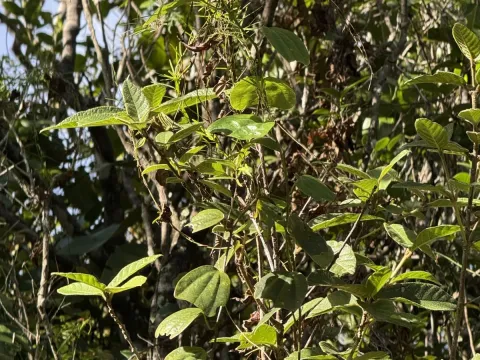
Passiflora tulae
Passiflora tulae
Passiflora tulae is an exotic woody vine belonging to the Passifloraceae family, originating from the Caribbean region and thriving in tropical ecosystems.
What the section contains
Passiflora tulae
The plant exhibits rapid vertical growth, requiring sturdy trellises or support systems to manage its climbing habit and ensure proper air circulation.
Successful cultivation depends on maintaining high humidity levels, often requiring misting systems or greenhouse environments when grown outside its native range.
Soil composition must be rich in organic matter and slightly acidic, ensuring excellent drainage to prevent the root suffocation that this species is susceptible to.
Optimal growth is achieved in filtered light, as the intensity of direct midday sun can be detrimental to its leaf tissue and overall physiological development.
Spider mites are the most persistent pest for Passiflora tulae, particularly in environments where humidity drops below recommended levels for extended periods.
Fungal infections, including root rot caused by Phytophthora species, represent a major threat when irrigation schedules are not strictly monitored against soil moisture levels.
Aphids and whiteflies can cause severe damage by feeding on nutrient-rich sap, often acting as vectors for viral diseases that lead to stunted vegetative growth.
Implementing a strict sanitation program, including the removal of dead plant material and sterilized pruning equipment, is essential to curb the spread of pathogens.
Biological control agents, such as predatory mites or beneficial insects, are highly recommended for greenhouse production to maintain an ecological balance.