
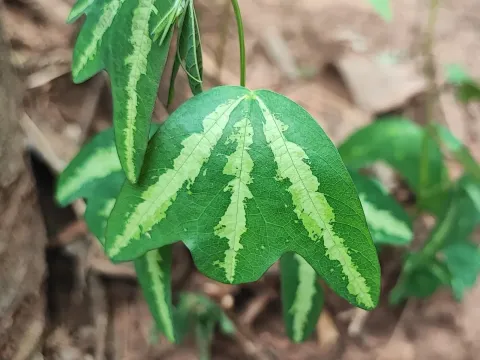
Passiflora tricuspis
Passiflora tricuspis
Passiflora tricuspis is a specialized species within the Passifloraceae family. Native to South America, this climbing vine thrives in humid, tropical environments, where it climbs over trees and shrubs in forested habitats.
What the section contains
Passiflora tricuspis
The climate requirements for this plant are stringent: it requires consistent warmth throughout the year. Temperatures below 15°C can cause significant stress, and freezing conditions are usually fatal, necessitating cultivation in greenhouses or strictly controlled indoor environments.
For optimal growth, the soil must be rich in organic matter and well-draining. A pH range between 6.0 and 7.0 is ideal for nutrient uptake. In container gardening, a mix of peat, bark, and perlite provides the necessary structure and aeration.
Light intensity plays a crucial role in the development of Passiflora tricuspis. While it enjoys high-intensity light, direct midday sun can be harmful. Greenhouse shading is often employed to balance the need for photosynthesis against the risk of leaf scorch.
Routine agrotechnical practices include consistent irrigation to maintain moisture, paired with balanced liquid fertilization. During the active growth period, nitrogen levels should be sufficient to support biomass production, while phosphorus is increased for flowering.
Spider mites represent a major threat to this crop. These pests thrive in dry conditions and can quickly colonize the underside of leaves, causing yellowing and premature leaf drop if left unchecked.
Root rot, primarily caused by species like Phytophthora, is a significant danger linked to over-irrigation. Ensuring a strict dry-down period between waterings is vital to maintain a healthy rhizosphere and prevent fungal proliferation.
Mealybugs are another common nuisance, frequently found in the leaf axils. Their presence can stunt growth and promote the development of sooty mold, which impairs the plant's ability to photosynthesize effectively.
To manage threats, an Integrated Pest Management (IPM) approach is recommended. This includes the use of beneficial insects, such as predatory mites, alongside minimal chemical intervention to maintain environmental safety within the greenhouse.
Proper sanitation remains the cornerstone of disease prevention. Disinfecting tools and removing debris under the canopy reduces the inoculum potential of various soil-borne and foliar pathogens that can impact the vine.