
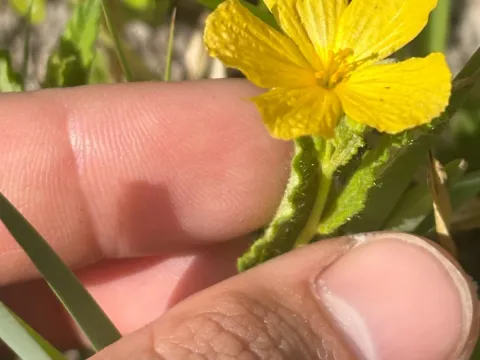
Piriqueta
Piriqueta
The genus Piriqueta belongs to the Turneraceae family, which is widely distributed across tropical and subtropical regions, particularly in the Americas. These plants exhibit diverse growth forms, ranging from herbaceous perennials to small, woody subshrubs.
What the section contains

Piriqueta
Successful cultivation of Piriqueta requires well-drained, sandy soils that prevent waterlogging. The plants are highly susceptible to root diseases if placed in saturated or poorly aerated substrates, making soil texture a critical factor for successful plantation management.
Climatically, these plants are strictly heat-loving. They thrive in regions with high solar radiation and sustained warm temperatures. Any exposure to frost is detrimental, thus necessitating cultivation in greenhouse conditions or specific tropical zones for stable production.
Agronomic management involves standard practices such as maintaining optimal soil moisture and ensuring adequate nutrient levels. Applying balanced fertilization during the primary growth cycle supports vegetative development and enhances the plant's natural resistance to environmental stress.
The commercial and practical interest in Piriqueta stems from its traditional use in ethnomedicine and its ornamental potential. Research continues into the biochemical properties of the foliage, positioning it as a potential specialized crop for horticultural and botanical research sectors.