
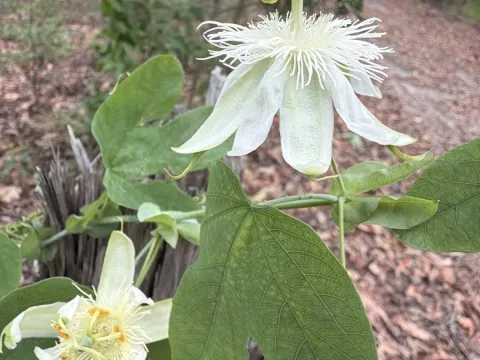
Passiflora subpeltata
Passiflora subpeltata
Seeds of Passiflora subpeltata should be sown during the spring season once the soil has sufficiently warmed up. Pre-soaking seeds in warm water for 24 hours significantly improves the germination rate.
What the section contains
Passiflora subpeltata
Sow the seeds in a lightweight, well-draining potting mix at a depth of about 1–2 centimeters. Maintain a consistent temperature of around 25 degrees Celsius to encourage healthy sprout development.
Transplant seedlings into individual containers once the first pair of true leaves has appeared. Since this vine is sensitive to root disturbance, using biodegradable peat pots is highly recommended.
Move the plants to their permanent outdoor location only after the threat of frost has completely passed. Acclimatizing the vines outdoors over several days helps them adjust to environmental changes.
Maintain a minimum spacing of 1.5 meters between individual plants to ensure proper airflow and light penetration, which are critical for the long-term health of the vine.
Passiflora subpeltata is a tropical vine that requires significant sunlight to thrive. While it loves the sun, providing light shade during the hottest part of the day in intense climates is advisable.
The optimal temperature range for growth is between 20 and 30 degrees Celsius. Exposure to extreme cold or sudden temperature drops should be avoided to prevent stress and growth stagnation.
Soil requirements include high fertility and excellent drainage. These plants dislike "wet feet," so building raised beds or adding organic matter to heavy soils can help prevent root rot issues.
Consistent, moderate watering is essential for maintaining vigorous growth. Always allow the top layer of the soil to dry slightly between waterings to ensure the root system receives sufficient oxygen.
Providing a sturdy trellis or support structure is mandatory, as this species is a vigorous climber. A proper support system ensures that the foliage is positioned to capture maximum light energy.
Under favorable growing conditions, Passiflora subpeltata produces a consistent harvest of edible fruits. The yield potential depends on the maturity of the vine and the availability of nutrients.
The fruits reach maturity when they shift from a vibrant green to a pale yellowish or orange hue. They are prized for their unique, subtle flavor and are widely used in juices and desserts.
Harvesting should be performed carefully by clipping the fruit stem to prevent damaging the delicate vine. Regular harvesting encourages the plant to continue producing flowers throughout the season.
Applying balanced fertilizers, particularly those rich in phosphorus and potassium during the blooming phase, will significantly enhance fruit set and improve the overall sugar content of the crop.
Commercial producers often manage these vines in high-tunnel systems to extend the growing season and protect the fruit from weather-related damage, leading to a more reliable yearly yield.
Spider mites are the most common pest affecting Passiflora subpeltata, especially in hot, dry environments. Regular misting and pest monitoring can help manage mite populations effectively.
Powdery mildew often appears as a white, dusty layer on the leaves due to poor circulation or high humidity. Pruning crowded foliage is the best preventative measure against this fungal infection.
Root rot, often caused by overwatering, can be fatal. Ensure that the soil structure is airy and that water is not pooling around the base of the plant to keep the root system healthy.
Aphids can rapidly colonize new growth, weakening the vine and potentially transmitting viral diseases. Use organic insecticidal soaps as a first line of defense if aphid colonies are detected.
Maintaining a clean growing environment and practicing good sanitation by removing dead or diseased plant parts will minimize the spread of pathogens and pests within the plantation.