
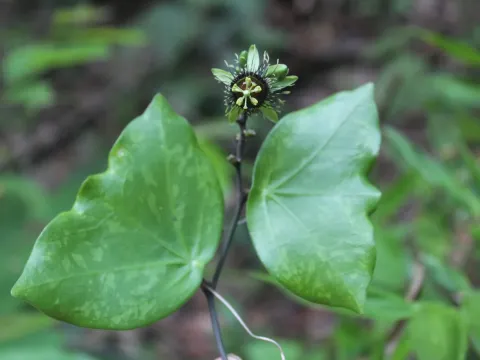
Passiflora xiikzodz
Passiflora xiikzodz
Passiflora xiikzodz belongs to the Passifloraceae family and is native to the Yucatan region. Sowing seeds for this crop should occur in early spring to leverage the warming temperatures of the approaching growing season.
What the section contains
Passiflora xiikzodz
The seeds require stratification to break dormancy and ensure consistent germination rates. Using a high-quality, sterilized seed-starting mix with excellent drainage is crucial for the successful development of seedlings.
Maintain a stable temperature between 22 and 25 degrees Celsius to encourage rapid germination. High humidity must be maintained during the initial weeks to mimic the tropical environment of the species' origin.
Transplanting the seedlings into individual pots should be done once they reach the two-leaf stage. A gradual hardening-off process is necessary before moving the plants to a permanent location.
Select a site with dappled sunlight, as intense midday sun can cause dehydration in the delicate foliage of the plant. A location providing morning sun and afternoon shade is typically ideal for this species.
This crop prefers rich, slightly acidic to neutral loamy soils. The presence of organic matter significantly improves soil structure and nutrient availability, which is essential for the healthy growth of the vine.
Passiflora xiikzodz requires a strong vertical trellis system for support, as it is a vigorous climber that uses tendrils to attach itself. Regular pruning and training are necessary to manage its growth habit.
Watering should be consistent but careful, ensuring the soil remains moist but never waterlogged. Monitoring the top layer of the soil between waterings helps prevent root issues related to excessive moisture.
Regular fertilization with a balanced, slow-release fertilizer is recommended during the peak growth season. Providing necessary micronutrients will help in maintaining vibrant leaf color and overall plant vigor.
- Ensure humidity levels stay above 60 percent for optimal growth.
- Protect the plant from strong drafts and extreme temperature fluctuations.
- Apply mulch around the base to preserve soil moisture and regulate temperature.
The primary pests affecting this species are spider mites and whiteflies, which thrive in dry environments. Monitoring the underside of leaves weekly helps in detecting early infestations of these pests.
Root rot, often caused by fungal pathogens in waterlogged soils, is a common threat. Maintaining good drainage and avoiding over-watering are the best preventative measures against soil-borne diseases.
If pest populations become significant, organic or systemic insecticides may be applied. Always follow the label instructions carefully to avoid any phytotoxic damage to the leaves of the passion flower.
Visible signs of nutritional deficiency or chlorosis should be addressed with specialized liquid fertilizers. Ensuring a balanced pH level in the soil also plays a vital role in nutrient uptake.
Regular sanitation of the planting area is essential, including the removal of dead or decaying plant material. This practice minimizes the risk of attracting secondary pests or harboring disease spores.