
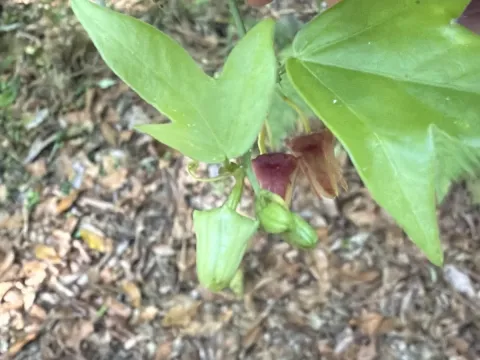
Passiflora suberosa
Passiflora suberosa
Propagation of Passiflora suberosa is typically achieved through seeds or stem cuttings. For seeds, scarification is highly recommended to break the hard seed coat and improve germination rates, followed by soaking in warm water.
What the section contains
Passiflora suberosa
The optimal time for sowing is early spring when the photoperiod increases, supporting vigorous seedling growth. If using cuttings, use semi-hardwood material and place it in a well-draining soil mix under high humidity conditions.
Seedlings should be kept in a controlled environment until they develop several sets of true leaves. Transitioning them to individual pots allows for better root development before transplanting into the field or larger containers.
Soil temperature during the germination phase should be maintained between 22–25 degrees Celsius. Ensuring consistency in moisture is crucial, as drying out at this stage can result in high seedling mortality.
Field sowing or planting should only occur after all risks of frost have passed. Gradually hardening off the plants helps them adjust to outdoor conditions and reduces transplant shock significantly.
Passiflora suberosa is a member of the Passifloraceae family, characterized by its rapid growth and unique corky stems. It thrives in locations that offer full sun to partial shade, depending on the intensity of the local climate.
The species prefers well-drained, nutrient-rich soils with a slightly acidic to neutral pH level. It is essential to avoid waterlogged conditions, as the root system is prone to rot in poorly aerated, saturated soil.
Temperature requirements for optimal performance range from 20 to 28 degrees Celsius. While it can tolerate minor fluctuations, the plant is not cold-hardy and requires protection or indoor placement during winter months.
Regular irrigation is necessary to maintain moisture, especially during the active blooming and fruiting stages. Mulching the base of the plant helps retain soil moisture and suppresses weed competition effectively.
Providing sturdy supports such as trellises or fences is vital for this vine, as it uses tendrils to climb. Proper pruning not only keeps the plant tidy but also enhances sunlight penetration to the inner foliage.
The yield of Passiflora suberosa consists of small, dark, berry-like fruits that mature throughout the growing season. While primarily grown for ornamental and research purposes, they contain beneficial phytochemicals.
Applying balanced NPK fertilizers during the growth period encourages both vegetative expansion and flower production. Over-fertilization with nitrogen, however, can lead to lush leaf growth at the expense of fruit production.
Harvesting is typically done by hand once the berries reach their final deep purple or black coloration. Since the fruits ripen unevenly, multiple passes are required to collect the full crop throughout the season.
Post-harvest storage should be handled with care, as the fruits have a short shelf life. Keeping them in cool, well-ventilated areas or refrigerated conditions is necessary to maintain their quality for extraction or consumption.
Optimizing the trellis layout allows for higher plant density and improves overall orchard productivity. Efficient light management is the most important factor in sustaining consistent fruit yields over several years.
Common pests affecting Passiflora suberosa include spider mites and mealybugs, which tend to infest the plant during hot, dry spells. Regular monitoring and washing of the leaves are effective first-line defenses.
Fungal issues, such as root rot and leaf spots, often stem from poor drainage or excessive humidity. Implementing good airflow management and avoiding overhead irrigation can significantly reduce the risk of these diseases.
Whiteflies can also cause problems by spreading viruses and weakening the plant through sap-sucking. Use of yellow sticky traps and horticultural oils helps manage populations without the need for harsh chemicals.
Viral infections may manifest as mosaic patterns or stunted growth. There is no cure for such infections, so sanitation and the removal of affected plants are critical to prevent widespread damage to the crop.
Proactive maintenance, including the removal of dead or decaying plant material, minimizes hiding spots for pests. Integrated Pest Management (IPM) strategies ensure the plant remains productive while minimizing environmental impact.