
Passiflora tetrandra
Passiflora tetrandra
Passiflora tetrandra, locally known as the "kohia" in New Zealand, is an evergreen woody vine belonging to the Passifloraceae family. Unlike many exotic passionflower species, this plant is endemic to New Zealand, where it naturally inhabits forest margins and scrublands.
What the section contains
Passiflora tetrandra
The plant thrives in temperate maritime climates. While it can withstand occasional dips in temperature, it requires sheltered locations protected from strong winds to maintain vigorous growth and needs sturdy support systems for its climbing stems to develop properly.
For successful cultivation, choose sites with fertile, well-draining soil that is rich in organic matter. The species is sensitive to waterlogged conditions at the roots, so whether planting in containers or open ground, ensuring a high-quality drainage layer is essential for plant longevity.
Optimal lighting for Passiflora tetrandra involves partial shade or filtered sunlight. Intense, direct midday sun, especially in warmer regions, can scorch the leaves; therefore, providing light shade during peak sunshine hours is recommended to protect the foliage.
Agrotechnical practices include regular watering during the growing season, particularly in drier months. Applying balanced fertilizers for flowering plants in spring and summer helps stimulate fruit set and maintains the overall health and vigor of the vegetative mass.
The primary threats to this plant are fungal infections caused by excessive soil moisture and poor air circulation. Root rot is the most common cause of failure for young saplings grown in greenhouses or confined spaces.
Regarding pests, spider mites and scale insects represent the most significant challenge, as they thrive in the dry air often found in greenhouses. Regular inspection of the undersides of leaves and the application of systemic insecticides are effective for pest management.
In its natural habitat, the plant can be susceptible to aphids, which may act as vectors for various viral diseases. Preventive maintenance includes keeping the base of the plant free of debris and monitoring the health of surrounding flora to prevent cross-contamination.
Improper temperature management during the winter dormancy period can weaken the vine's natural resistance. Low temperatures combined with high humidity levels can promote the development of mold on older, woody stems.
Biological pest control methods, including the use of beneficial insects or organic horticultural oils, are recommended to maintain the ecological balance and protect the plant from harsh chemical treatments.
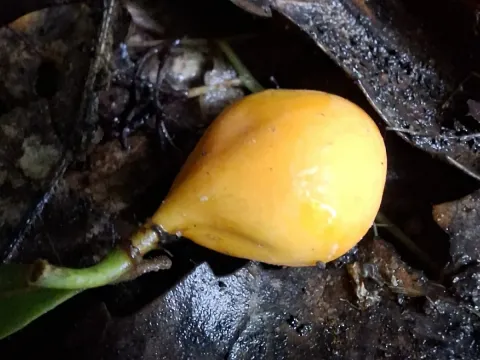
The fruits of Passiflora tetrandra are small, round berries that turn a distinct orange or reddish color when fully ripe. Harvesting is performed manually once the fruits have reached their characteristic color to ensure optimal maturity and flavor.
Traditionally, the fruits of this vine have been consumed by indigenous peoples for their pleasant taste. Beyond its edible qualities, the plant is highly valued in ornamental horticulture for covering fences, trellises, and garden structures with its lush, evergreen foliage.
It is important to consume the fruits only when they are completely ripe, as unripe berries may possess a bitter or astringent flavor. Post-harvest, the fruits do not have a long shelf life and should be consumed or processed shortly after being picked.
The harvest season typically occurs in late summer or autumn, depending on local microclimates. The frequency and yield of the harvest are heavily dependent on consistent spring fertilization and the amount of ambient light the plant receives throughout the season.
This plant offers a unique combination of aesthetic appeal and exotic utility, making it a popular choice for gardeners interested in native species that also provide a small, edible yield in domestic settings.