
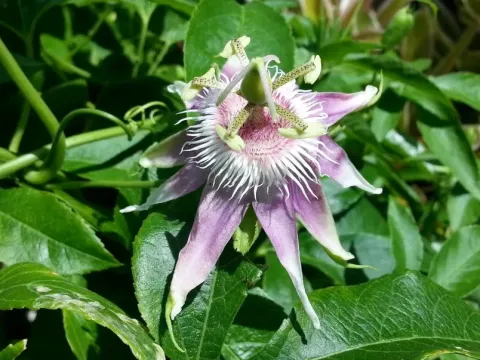
Passion fruit hybrids
Passiflora hybrids
The cultivation of passion fruit hybrids begins with seed preparation or vegetative propagation. Seeds benefit from scarification to break dormancy and ensure uniform germination, which typically occurs within two to four weeks under optimal conditions.
What the section contains
Passion fruit hybrids
Sowing should be done in a light, sterile potting medium that provides excellent drainage. Maintaining a constant temperature range of 25°C to 30°C is crucial for successful seed germination, often requiring the use of seedling heat mats.
Seedlings are highly sensitive to transplant shock; therefore, they should be carefully transferred to individual containers once they develop two sets of true leaves. Adequate light exposure during the initial stages is vital to prevent etiolation.
In commercial settings, propagation via semi-hardwood cuttings is preferred to ensure genetic consistency. Cuttings are treated with rooting hormones and kept in high-humidity chambers until a robust root system develops.
Hardening off the young plants is a necessary step before final field or greenhouse planting. This transition period allows the plants to adapt to environmental changes, increasing their resilience during the initial establishment phase.
Passion fruit hybrids are vigorous vines belonging to the Passifloraceae family, requiring strong structural support systems like trellises or overhead arbors. They thrive in tropical and subtropical climates with high humidity and consistent light levels.
The ideal soil is sandy loam with a pH between 6.0 and 7.0, rich in organic matter. Good soil aeration is essential, as the roots are prone to oxygen deprivation and rot if the substrate remains waterlogged.
The crop requires full sun for optimal photosynthesis, which drives flower induction and fruit development. In regions with insufficient natural light, supplemental LED lighting is recommended to maintain commercial yield targets.
Water management is critical; the plants need regular, deep irrigation, especially during the fruit-setting stage. However, care must be taken to ensure that the soil has enough time to dry out slightly between waterings to prevent root diseases.
Fertilization regimes should focus on a balanced NPK ratio during the growth phase, shifting to higher potassium and magnesium levels during the flowering and fruiting period to enhance sugar content and overall fruit quality.
Passion fruit vines are susceptible to various pests, most notably spider mites and aphids, which can proliferate rapidly in dry greenhouse environments. These pests cause stunted growth and can transmit viral diseases.
Root rot caused by Phytophthora or Fusarium species remains the most significant threat to the plant's longevity. Implementing strict soil management and avoiding excessive irrigation are the primary methods for disease mitigation.
Leaf spot diseases can also occur, particularly during periods of high humidity and poor ventilation. Preventive measures include regular pruning of the canopy to improve air circulation and the removal of infected foliage.
Biological controls, such as beneficial insects, can be integrated into the pest management strategy to reduce reliance on chemical pesticides, ensuring the production meets safety and environmental standards.
Monitoring the plants for symptoms such as wilting or discolored spots is essential for early detection. Maintaining high sanitation levels in the production area significantly decreases the incidence of recurring infestations.
Harvesting passion fruit hybrids is a delicate task that requires timing based on fruit maturity indicators. The fruit should be picked when the skin color reaches its target intensity and the rind feels firm but slightly springy.
Mechanical harvesting is generally not suitable for this crop due to the vine's structure and the fruit's fragility. Hand-harvesting allows for the selection of only the fully ripened fruit, ensuring superior flavor profiles.
Post-harvest handling involves cleaning and sorting the fruits by weight and grade. Proper storage at temperatures around 10°C to 15°C can help maintain freshness for export or local distribution.
Passion fruits are highly valued for their juice and pulp, which can be extracted and frozen for industrial use. The market demand for processed passion fruit products continues to grow due to their exotic flavor and nutritional profile.
Efficient logistics are required to move the fruit to market quickly after harvest, as the shelf life of fresh passion fruit is limited. Cold chain management is recommended for long-distance shipping to maintain internal fruit quality.