
Passiflora seemanni
Passiflora seemanni
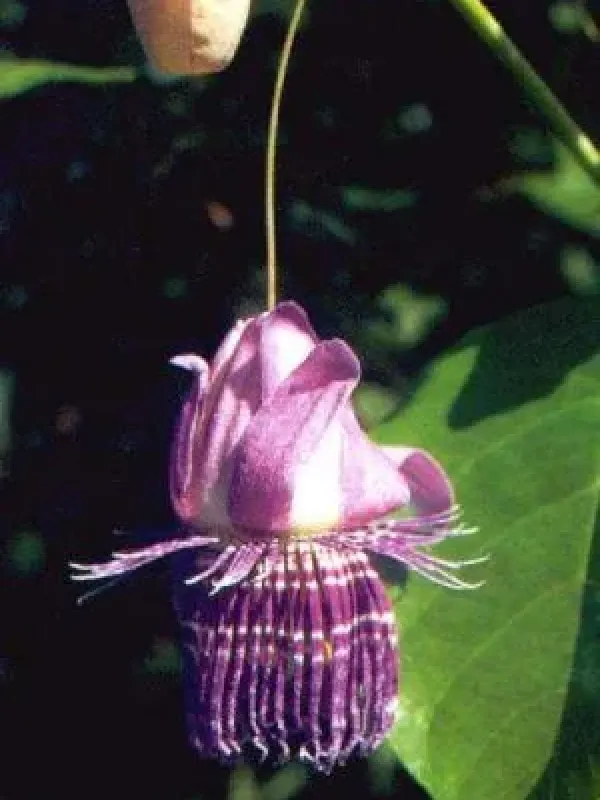
Description
Growing requirements
Passiflora seemanni is a vigorous climbing vine belonging to the Passifloraceae family. It is native to the tropical forests of Central America, primarily originating from Panama.
This species thrives in high humidity and warm temperatures. It requires a protected environment to avoid cold stress, as it is highly sensitive to frost and sudden climate drops.
Adequate sunlight is essential for floral initiation. While it prefers full sun, in very hot regions, it benefits from light shade during the peak afternoon heat.
The ideal soil is rich, well-draining, and slightly acidic. It is critical to avoid waterlogged conditions, which lead to root asphyxiation and eventual plant decline.
Supporting structures are necessary due to the vine's climbing habit. Pruning is often required to manage the size and encourage new growth during the active season.
Main diseases and pests
The most frequent pests attacking Passiflora seemanni are spider mites and whiteflies, which thrive in dry environments and can quickly infest foliage.
Root rot caused by Phytophthora or Pythium fungi is a significant threat, usually triggered by poor drainage or over-irrigation during cooler months.
Powdery mildew can affect the leaves, appearing as a white dusty coating. This is common when air circulation around the vine is restricted.
Effective pest management involves integrated control strategies, including mechanical removal of insects and the application of targeted biological treatments.
Maintaining a clean growing environment and ensuring proper plant spacing are the best preventive measures against both insect pests and fungal diseases.