
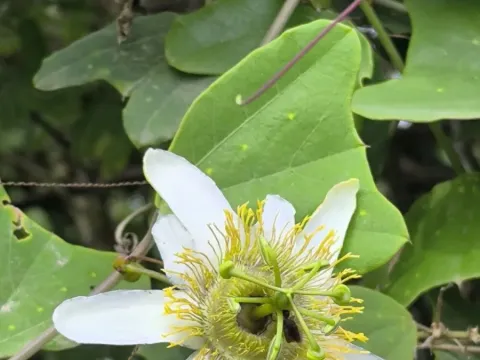
Passiflora pulchella
Passiflora pulchella
Passiflora pulchella, a member of the Passifloraceae family, is commonly propagated through seeds or stem cuttings within protected greenhouse environments.
What the section contains
Passiflora pulchella
The optimal time for sowing seeds is during the early spring when increasing daylight hours stimulate better germination rates and initial plant development.
Seeds require pre-sowing treatment such as scarification or soaking in warm water for 24 hours to soften the seed coat and improve emergence.
It is essential to use a light, well-draining growth medium enriched with perlite to ensure proper oxygenation of the developing roots.
Maintaining a stable temperature range between 22 and 25 degrees Celsius is crucial for successful seed germination and vigorous seedling establishment.
As a tropical vine species, Passiflora pulchella thrives in bright, indirect sunlight, which is necessary for healthy foliage and vine vigor.
The plant requires loose, highly permeable soil conditions; waterlogged roots can quickly lead to physiological stress and root system decay.
Regular watering is necessary during the active growing season, but the substrate must be allowed to dry slightly between irrigation cycles.
Vertical growth is a natural habit for this species, so providing a sturdy trellis or support structure is mandatory for effective crop management.
The plant is not frost-tolerant and must be grown in containers in temperate climates, ensuring it is moved indoors during colder periods.
Passiflora pulchella is susceptible to common greenhouse pests including spider mites, mealybugs, and scale insects that feed on sap.
Fungal issues, such as root rot and leaf spot, often arise due to poor air circulation and excessive humidity levels in the cultivation environment.
Aphid infestations may occur on tender new growth, which requires consistent monitoring and prompt intervention to prevent stunted growth.
Preventative measures include maintaining clean cultivation areas, pruning dead biomass, and ensuring adequate spacing between individual plants.
Integrated pest management strategies, involving both cultural practices and appropriate chemical treatments, are recommended for maintaining plant health.