
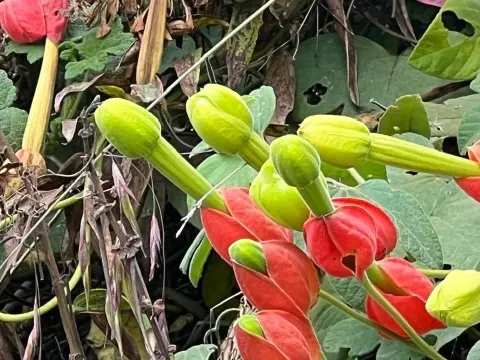
Passiflora ampullacea
Passiflora ampullacea
Passiflora ampullacea is a distinctive species of evergreen vine belonging to the Passifloraceae family. Native to the mountainous regions of Ecuador, this species thrives in cool, high-altitude cloud forests, which dictates its specific environmental needs in cultivation.
What the section contains
Passiflora ampullacea
The plant requires a stable, humid environment with bright but indirect light. Unlike many lowland passion flowers, it does not tolerate high heat well; therefore, maintaining cool temperatures and adequate air circulation is essential for the plant's long-term health and vitality.
A well-draining soil mix is mandatory for this species. A combination of high-quality peat moss, perlite, and organic compost creates the ideal porous medium that prevents waterlogging while maintaining necessary moisture levels for the root system.
Agrotechnical maintenance involves regular pruning to manage the vigorous growth of the vine. By providing a sturdy support structure, you encourage the plant to climb and display its unique, flask-shaped flowers, which are the hallmark of this particular species.
Watering should be balanced to keep the growing medium slightly moist but never saturated. During the dormant winter season, irrigation must be significantly reduced to reflect the lower metabolic rate, while still preventing the root ball from drying out completely.
Typical pests affecting this culture include spider mites and mealybugs, which are particularly attracted to the plant in dry indoor conditions. Routine leaf inspection and maintaining proper atmospheric humidity are the most effective preventive measures against these infestations.
Root rot and fungal leaf spots remain the primary disease threats, usually triggered by poor drainage or overly wet soil conditions. Ensuring excellent airflow and using sterile tools for any pruning procedures are critical practices for protecting the plant against potential pathogens.