
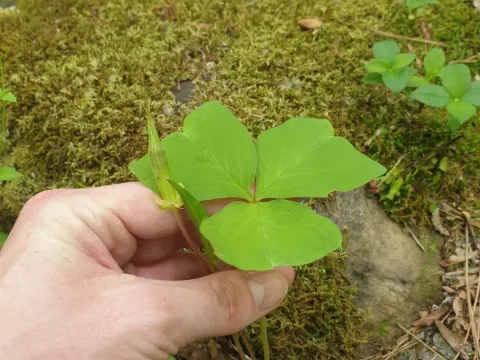
Oxalis obtriangulata
Oxalis obtriangulata
Oxalis obtriangulata is a perennial herbaceous plant belonging to the Oxalidaceae family. This species is native to the temperate forest regions of East Asia, primarily found in Japan and China, where it thrives in shaded and cool environments.
What the section contains
Oxalis obtriangulata
The plant is distinguished by its distinctively shaped, obtriangular leaf leaflets. Like many species in the Oxalis genus, it exhibits nyctinasty, meaning the leaves fold up during the night or when environmental conditions, such as light levels or temperature, become unfavorable.
In cultivation, this plant requires soil rich in organic matter and humus, mimicking the forest floor conditions. It is essential to maintain a slightly acidic soil pH to ensure optimal nutrient uptake and general plant health throughout the growing season.
The ideal location for Oxalis obtriangulata is an area with filtered light or deep shade. High temperatures and direct sunlight can be detrimental to the plant, causing leaf scorch and premature dormancy, therefore careful site selection is crucial for success.
Watering requirements include maintaining consistent soil moisture without allowing the substrate to become waterlogged. Proper drainage is a non-negotiable factor in preventing root rot and ensuring the plant remains vigorous in decorative landscape settings.
The primary threats to Oxalis obtriangulata include fungal pathogens such as grey mold (Botrytis) and powdery mildew. These diseases typically flourish in environments with poor air circulation and excessive moisture, leading to rapid deterioration of the foliage.
Pests such as spider mites and thrips pose significant risks, especially during warm and dry periods. These pests feed on plant tissues, leading to chlorosis, stunted growth, and in severe cases, the death of the affected plant parts.
Integrated pest management strategies are recommended, focusing on maintaining plant vigor through appropriate fertilization and regular inspection. Early detection of pests allows for localized treatments, reducing the need for broad-spectrum chemical applications.
Cultural control measures involve removing dead leaves and organic debris from the base of the plant to eliminate overwintering sites for potential pathogens. Keeping the foliage dry during irrigation is also a simple yet effective preventative step.
- Use high-quality drainage systems in containers or garden beds.
- Monitor for spider mite infestations during heatwaves.
- Provide adequate spacing to promote airflow between plants.