
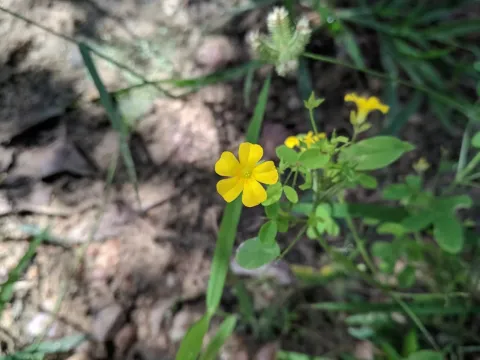
Spreading wood sorrel
Oxalis divaricata
Spreading wood sorrel (Oxalis divaricata) is a member of the Oxalidaceae family. This perennial herb originates from the regions of South America and is characterized by its distinctive spreading growth habit.
What the section contains
Spreading wood sorrel
The species requires well-drained, nutrient-rich soil to thrive. It performs best in environments with bright, indirect sunlight, as direct exposure can often lead to leaf scorch during the peak hours of the day.
Botanically, this plant is known for its trifoliate leaves that exhibit movement in response to light and touch. Its structure is relatively delicate, requiring careful handling to prevent damage to the spreading stems.
Successful cultivation involves maintaining consistent soil moisture without allowing waterlogging. During the active growing season, applying balanced, water-soluble fertilizers can significantly enhance foliage density and overall plant vigor.
In terms of agricultural and horticultural use, this plant is highly valued for ornamental purposes in container gardening and specialized landscape projects, serving as an excellent ground cover or accent plant.
The primary threats to Oxalis divaricata include various root rot pathogens, which are primarily triggered by over-irrigation or inadequate drainage systems in the growing container or field site.
Pest pressure often comes from common greenhouse pests such as spider mites, which thrive in low-humidity conditions and cause significant damage to the leaf tissue if not managed early.
Aphids also represent a potential risk, often clustering on the tender apical meristems and causing stunted growth or the transmission of viral pathogens within a collection.
Prevention involves strict sanitation practices, including the removal of dead leaf litter and ensuring that there is adequate airflow around the base of the plant to prevent fungal stagnation.
Chemical control should be approached with caution, utilizing selective miticides or organic soaps that effectively control pest populations without phytotoxic effects on the delicate foliage of the plant.