
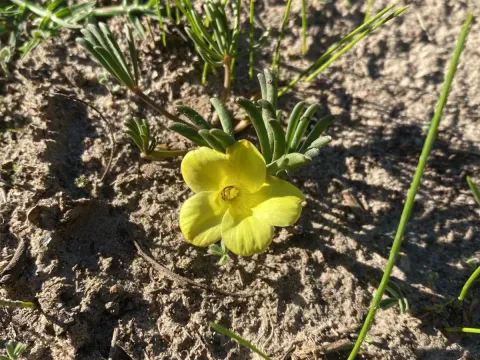
Yellow wood sorrel (Oxalis flava)
Oxalis flava
Oxalis flava is a perennial bulbous plant belonging to the Oxalidaceae family. Originating from the arid regions of South Africa, it has evolved specific physiological mechanisms to survive seasonal droughts by entering a dormant state.
What the section contains
Yellow wood sorrel (Oxalis flava)
The botanical structure consists of subterranean bulbs and a rosette of leaves that typically emerge from the ground level. The leaves are characteristically palmate, often displaying a unique texture adapted to intense sunlight.
For agricultural and horticultural success, the plant requires highly permeable, well-draining soil. Sandy loam mixtures are ideal as they prevent water accumulation around the bulb, which is crucial for preventing tissue decay.
Environmental conditions must mimic its native habitat to ensure proper development. This includes high solar irradiance during the active growing phase and a period of absolute dryness during the summer dormancy cycle.
While primarily an ornamental plant, its cultivation requires attention to light intensity. In greenhouse settings, supplemental lighting may be necessary if natural light levels are insufficient during the plant's active growth phase.
The most significant threat to Oxalis flava is moisture-related pathogens. Fungal infections, including root rot and crown rot, are prevalent in substrates with poor drainage or in environments with excessively high humidity.
Pests such as spider mites, aphids, and fungus gnats are common challenges. These organisms thrive in sheltered indoor environments or greenhouses where air circulation might be stagnant or humidity is poorly regulated.
Effective management strategies include maintaining appropriate spacing between individual plants to promote airflow. This practice significantly reduces the risk of powdery mildew and other airborne fungal diseases.
It is essential to inspect dormant bulbs for signs of decay or mite infestation before replanting them in a new season. Any bulb showing signs of damage should be removed to prevent the spread of disease to healthy stock.
Chemical control remains an option for severe infestations, utilizing specialized miticides or soft-action insecticides. Always verify the compatibility of treatments with sensitive bulbous plants to avoid phytotoxicity.