
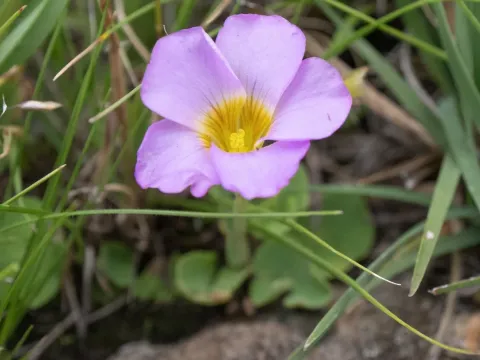
Oxalis obliquifolia
Oxalis obliquifolia
Oxalis obliquifolia is a perennial herbaceous plant belonging to the Oxalidaceae family. Native to the southern regions of Africa, this species is highly valued for its unique leaf geometry and resilient bulbous root system. It thrives in temperate environments, often exhibiting distinct seasonal growth patterns related to rainfall cycles in its habitat.
What the section contains
Oxalis obliquifolia
The plant requires well-draining, slightly acidic soil to flourish, preventing waterlogging which is detrimental to its bulb health. It prefers bright, indirect sunlight, as intense direct sun exposure can cause leaf scorching. Providing consistent diffused light is crucial for maintaining the plant's structural integrity and vibrant coloration.
Temperature management is key for the successful development of this species. It prefers a steady range between 18 and 25 degrees Celsius during its active growing season. During the dormancy phase, the plant requires cooler conditions, usually around 12–15 degrees Celsius, to prepare for the subsequent vegetative cycle.
Agrotechnical practices involve careful irrigation; water should be applied only when the top layer of the soil is dry. Overwatering is the most common mistake, leading to bulb decay. Fertilization with balanced nitrogen-phosphorus-potassium compounds should be performed only during the active growth phase, once every three to four weeks.
The main commercial application of Oxalis obliquifolia lies in the ornamental horticulture sector. It is widely utilized as a decorative pot plant, greenhouse specimen, or as a foreground element in indoor garden landscapes. Its adaptability to container cultivation makes it a favorite among indoor gardening enthusiasts globally.
Pest infestations, particularly by spider mites and mealybugs, are frequent in indoor environments with low humidity. Monitoring the underside of the leaves is recommended, as these pests often congregate there. Using horticultural soaps or neem oil is an effective way to manage these populations without damaging the plant.
Fungal diseases, specifically gray mold (Botrytis), can occur if ventilation is poor and humidity levels remain excessively high. Effective mitigation includes improving air circulation around the plants and ensuring that the soil medium allows for proper drainage to prevent the accumulation of pathogens in the root zone.