
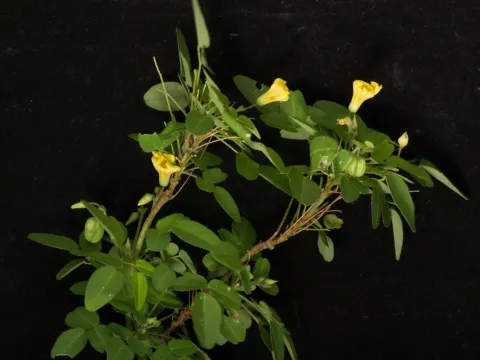
Oxalis neaei
Oxalis neaei
Oxalis neaei is a perennial herbaceous plant belonging to the Oxalidaceae family. Native to South America, this species has evolved to thrive in specific temperate and subtropical niches, utilizing specialized underground structures for survival.
What the section contains
Oxalis neaei
Botanically, the plant features a complex system of tubers or bulbs that facilitate nutrient storage and regeneration. Its foliage typically exhibits the tripartite structure characteristic of the genus, showing sensitivity to light levels through folding movements during the night.
Successful cultivation requires soil with excellent drainage properties to prevent rot. The ideal growing medium is slightly acidic to neutral, well-aerated, and rich in organic matter to support vigorous root development.
Climate requirements for this species include adequate solar exposure for optimal photosynthesis. While the plant can withstand moderate temperature fluctuations, extreme frost or prolonged heatwaves should be mitigated through proper mulching or strategic placement in the garden.
The primary utility of Oxalis neaei is found in ornamental horticulture. Its aesthetic value is derived from its unique foliage and delicate flowers, making it a popular choice for rock gardens, containers, and borders in suitable climates.
Powdery mildew represents a significant threat to Oxalis neaei, particularly in environments with poor air circulation or high atmospheric humidity during the growing season.
Root rot is perhaps the most dangerous issue for the plant, typically triggered by overwatering or soil substrates that fail to drain surplus water quickly enough.
Spider mites often infest the foliage under dry conditions, sucking the sap and causing the leaves to lose their vitality and characteristic appearance.
Aphids can also pose a problem by attacking the tender stems and flower buds, potentially vectoring viruses if the infestation is left uncontrolled for too long.
To maintain a healthy plant, gardeners should emphasize preventative measures such as regular inspection, maintaining moderate soil moisture, and ensuring sufficient spacing between specimens to promote airflow.