
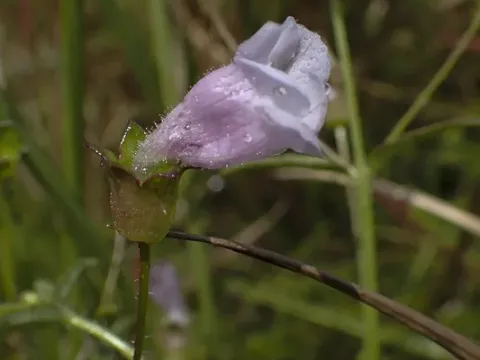
Anisantherina
Anisantherina
Anisantherina is a heat-loving crop, so planting dates depend directly on the soil warming up to a temperature of at least 12–15 degrees Celsius.
What the section contains

Anisantherina
In regions with temperate climates, sowing should be carried out in late spring when the risk of night frosts that could damage seedlings has passed completely.
The sowing depth is usually between 2 and 4 centimeters, which ensures optimal contact with soil moisture for uniform emergence.
When using precision seed drills, it is necessary to maintain row spacing of about 30–45 centimeters, allowing plants to develop fully without competition.
An important condition is to choose a site with good lighting, as shading in the early stages of growth negatively affects the pace of vegetation.
The crop has specific requirements for soil composition, preferring light, well-drained loams or chernozems with a neutral reaction.
The plant demonstrates moderate drought tolerance; however, regular irrigation is necessary during critical growth phases to obtain high-quality green mass.
The optimal temperature range for active metabolism and biomass accumulation is between 20 and 28 degrees Celsius.
High humidity in the air with poor ventilation of the field can trigger fungal diseases, so choosing well-ventilated areas is crucial.
The application of mineral fertilizers, especially nitrogen and potassium, significantly increases the productivity of the culture in intensive farming conditions.
Among the main threats to yields are fungal diseases such as root rot, which become more active with excessive soil moisture.
Phyllosticta leaf spot can affect the foliage, reducing photosynthetic intensity and overall plant vitality during hot periods of the season.
Pests such as cutworms and various aphid species can cause significant damage to crops by feeding on sap or soft stem tissues.
Prevention involves strict crop rotation, which excludes continuous monoculture of Anisantherina on the same field for more than two consecutive years.
Chemical crop protection must be carried out in strict accordance with regulations for the use of insecticides and fungicides, taking into account pre-harvest intervals.
Harvesting of Anisantherina is carried out during the phase of maximum nutrient accumulation, which is determined by visual inspection and laboratory analysis of the plant mass.
For seed production, harvesting is performed after full browning of the fruits, preventing premature splitting and seed shattering onto the soil.
When harvesting green mass for forage, the optimal time is the beginning of the flowering stage, when the plant possesses the highest nutritional value.
Mechanized harvesting is performed using specialized headers adjusted to minimize losses of small seeds during the cutting process.
After harvesting, the product requires immediate post-harvest processing, including drying and cleaning from impurities to ensure high-quality and long-term storage.