
Anisantherina hispidula
Anisantherina hispidula
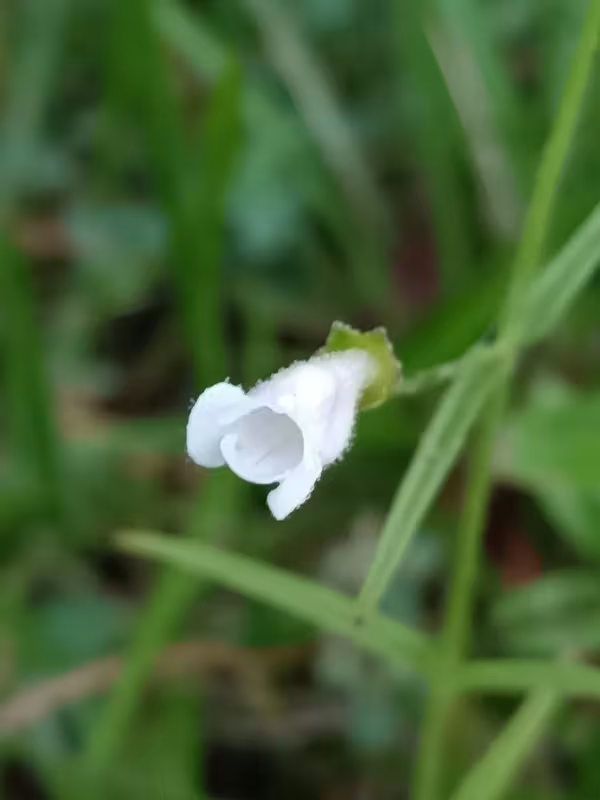
Description
Growing requirements
Anisantherina hispidula is a hemiparasitic herb belonging to the family Scrophulariaceae. This plant species is known for its ability to derive nutrients by attaching its roots to the root systems of surrounding vegetation.
Native to South America, the plant primarily occupies moist grassland ecosystems. Its distribution is closely linked to the availability of suitable host plants, which provide the essential resources required for the plant's survival and maturation.
The environmental requirements for this species include well-drained but consistently moist soil conditions. It thrives in soils with specific chemical properties that support the establishment of haustorial connections between the parasite and the host.
Botanically, Anisantherina hispidula is characterized by its hispid (bristly) stems and leaves, which serve as a morphological adaptation to its habitat. The reproductive cycle depends on successful cross-pollination by specific pollinators found within its ecosystem.
From an agricultural perspective, while not a mainstream crop, it is an important component of native pastures. Understanding its growth habits is crucial for sustainable range management in regions where this species naturally occurs.
Main diseases and pests
The primary threats to Anisantherina hispidula involve the fragmentation of its habitat and excessive soil drainage. These changes disrupt the ecological balance necessary for the plant to find suitable host organisms for survival.
Pathogenic threats include various root-borne fungal diseases that thrive in overly humid environments. Such conditions often lead to rapid decay of the plant's root system, negatively impacting its overall health and vitality.
Insect pests can damage the foliage, though significant outbreaks are rare compared to other native plant species. Most damage occurs during the flowering period, affecting seed development and subsequent population regeneration.
Management of this plant in an agricultural setting usually requires controlling its population density if it starts to compete excessively with valuable forage grasses. Mechanical control methods remain the most effective intervention.
Integrated pest management strategies focusing on soil health and crop rotation can naturally limit the proliferation of this species. Maintaining a balanced plant community is essential to prevent it from becoming an invasive factor.