
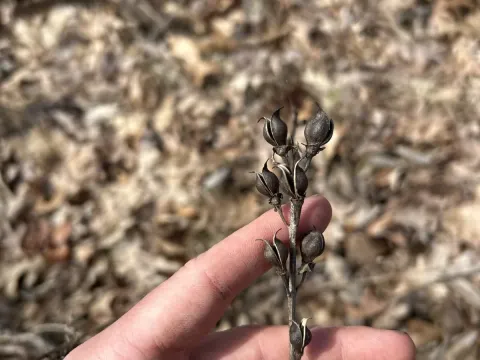
Aureolaria
Aureolaria
Aureolaria is a genus of flowering plants belonging to the Orobanchaceae family. These plants are characterized as hemiparasites, meaning they contain chlorophyll and can photosynthesize but still require a host root system to complete their life cycle.
What the section contains


Aureolaria
The native habitat of Aureolaria is primarily concentrated in the forests of North America. They maintain a distinct obligate relationship with specific host plants, most notably various species of oak (genus Quercus), from which they draw mineral nutrients and water via specialized haustoria.
In terms of cultivation, Aureolaria is not considered an agricultural crop. Its dependence on a living host and specific soil mycorrhizal networks makes it nearly impossible to propagate in domestic or commercial gardening settings without replicating the natural forest floor conditions.
Botanical morphology includes yellow, bell-shaped flowers and a herbaceous stem structure. The life cycle is complex, often requiring specific environmental cues for germination, which is a major hurdle in any attempts to study these plants under laboratory conditions.
The economic or agricultural utility of Aureolaria is negligible. They are primarily studied in the context of evolutionary biology and forest ecology, specifically regarding the mechanisms of host selection and the development of hemiparasitism within the Orobanchaceae family.