
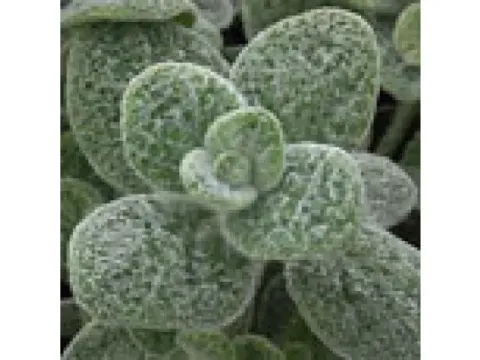
Origanum heracleoticum
Origanum heracleoticum
The sowing of Origanum heracleoticum typically takes place in spring, once soil temperatures consistently reach 12–15 degrees Celsius. In regions with milder climates, late autumn sowing is also practiced to allow for natural stratification of the seeds.
What the section contains
Origanum heracleoticum
When starting from seedlings, seeds should be sown in greenhouses or nursery trays about 6 to 8 weeks before the intended transplant date. This approach provides a controlled environment that significantly improves germination rates and plant vigor.
As the seeds are exceptionally small, surface sowing is recommended. They should be lightly covered with a thin layer of fine substrate or sand, ensuring the burial depth does not exceed 0.5 centimeters to prevent delayed emergence.
Proper spacing is crucial for plant development and disease prevention. Rows should be spaced 45–60 centimeters apart to ensure adequate airflow, which is vital for maintaining the health of the oregano plants throughout their growth cycle.
Pre-soaking seeds in water or plant growth stimulants for several hours prior to sowing can significantly accelerate germination. This practice helps break dormancy and promotes more uniform field emergence, which is essential for uniform crop development.
Origanum heracleoticum is a perennial herb of the Lamiaceae family, native to the Mediterranean region. It thrives in well-drained, calcareous soils with a neutral to slightly alkaline pH, making it highly adaptable to rocky or stony terrains.
The plant is intensely photophilous, requiring full sun exposure to maximize the production of aromatic essential oils. Locations should be selected to avoid heavy shade and cold winds, which can impede growth and essential oil synthesis.
While the crop is drought-tolerant, optimal growth is achieved in temperatures ranging from 20 to 25 degrees Celsius. Consistent but moderate irrigation during the active growth phase significantly increases biomass and overall harvest quality.
Soil preparation involves incorporating organic compost or aged manure. However, nitrogen levels should be managed carefully; excessive nitrogen promotes rapid vegetative growth at the expense of aromatic compound concentration, which is the primary value of the crop.
Regular weed management is essential during the establishment phase, as young oregano plants are poor competitors. Providing potassium and phosphorus fertilizers during the bud-forming stage supports long-term plantation health and productivity.
The yield of Origanum heracleoticum increases annually, typically reaching maximum productivity by the second or third year. Proper management of the plantation ensures stable yields over several consecutive harvest seasons.
Average yields of dry biomass range from 3 to 5 tons per hectare in commercial operations. Variations in yield depend largely on plant density, soil nutrient management, and regional climatic conditions during the growing season.
The highest concentrations of carvacrol and thymol occur during the mass flowering phase. This timing is critical for commercial production, as the harvest window determines the quality of the resulting essential oils.
Timely harvest is a key factor in maximizing profitability. Delaying harvest leads to the evaporation of essential oils, significantly reducing the market value of the dried product compared to material harvested at the peak of bloom.
Post-harvest care, including autumn fertilization, is necessary to support root replenishment. By allowing the plants to recover after the final harvest, growers ensure better winter survival and stronger growth in the subsequent spring season.
Common pests affecting this crop include aphids and spider mites, which feed on the sap of tender shoots and leaves. Infestations can cause leaf yellowing and structural deformation, reducing the plant's overall photosynthetic capacity.
Root rot remains the most significant disease threat, particularly in soils with poor drainage or during prolonged periods of excessive moisture. Preventive measures focus on site selection and ensuring proper water management to keep roots healthy.
Powdery mildew may occur during periods of high humidity or poor ventilation. Symptoms include a characteristic white fungal coating on the foliage, which can be managed by pruning and applying appropriate fungicidal treatments if necessary.
Soil-borne pests like wireworms can damage the root systems of young plants, leading to wilting and stunted growth. Monitoring field health and implementing crop rotation strategies are effective ways to mitigate the risk of such infestations.
Overall disease management relies on cultural practices such as maintaining optimal plant spacing and ensuring good airflow. Preventing water-logged conditions is the most effective way to maintain a robust and resistant herb plantation.
Harvesting Origanum heracleoticum involves mowing the aerial parts of the plant. A cutting height of 10–15 centimeters above the ground is recommended to ensure that basal buds remain, allowing for quick regrowth and further harvests.
In industrial settings, mechanical harvesters with forage equipment are used to collect the biomass. The harvested material must be processed immediately to prevent heating or fermentation, which can lead to rapid deterioration of volatile compounds.
Drying should occur in shaded, well-ventilated areas or in temperature-controlled drying facilities at temperatures not exceeding 40 degrees Celsius. Excessive heat during the drying process will lead to the loss of aromatic quality.
Once dried, the product is sorted to remove impurities and graded by quality. It is essential to store the finished herb in airtight, light-proof containers to preserve its essential oil content and flavor profile for the end user.
Under optimal conditions, a second harvest (aftermath) may be possible. However, late-season harvests should be carefully managed so that plants do not enter winter in an exhausted state, which could lead to poor survival during harsh frosts.