
Bellardia
Bellardia
Bellardia is a genus of herbaceous plants belonging to the family Orobanchaceae. Many species within this group are known as root hemiparasites, meaning they supplement their nutrient intake by tapping into the root systems of nearby plants.
What the section contains

Bellardia
The native distribution of this genus is concentrated in the Mediterranean basin. These plants have adapted to various environments, including meadows, grasslands, and rocky slopes where they can find suitable host plants.
Regarding soil requirements, Bellardia prefers well-drained habitats. The plant's development is heavily dependent on the presence of specific host species that provide it with water, minerals, and carbon compounds through its haustoria.
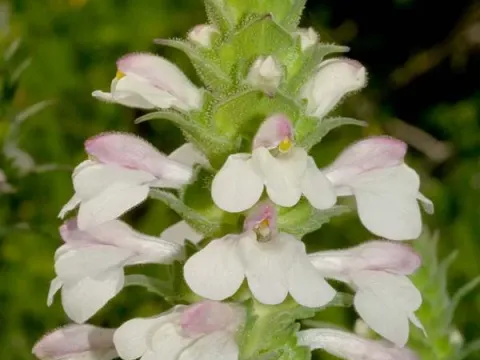
The botanical structure of the plant features pubescent stems and leaves, often covered in glandular hairs. The flowers are typically arranged in dense, terminal spikes, which is a distinguishing trait of the genus.
In an agricultural context, Bellardia is rarely cultivated intentionally. It is frequently managed as an invasive weed or a nuisance species that competes with forage crops for moisture and soil nutrients.
Major threats to the successful establishment of Bellardia include extreme temperature fluctuations during early spring, which can kill delicate seedlings before they attach to a host.
The plant is susceptible to various fungal pathogens that thrive in high humidity conditions, often resulting in stem rot or blight, particularly in dense patches of vegetation.
Pest pressure from insects that target the inflorescences is a common challenge, as it reduces the potential for future seed production and limits the spread of the population.
Controlling this plant involves integrated strategies, such as crop rotation and the use of competitive cultivars that can suppress the growth of hemiparasitic weeds.
Agricultural management is often focused on the prevention of seed set, which requires timed mowing or grazing to ensure that the plant does not deplete the resources of the primary forage crop.