
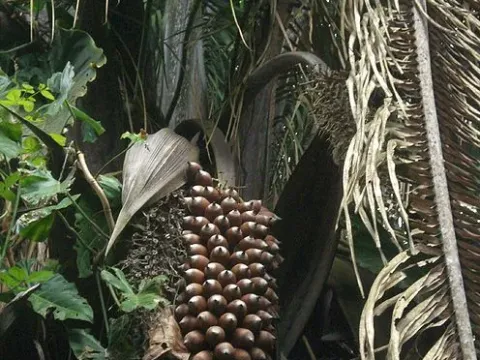
Orbignya
Orbignya
Orbignya is a genus of palm trees in the family Arecaceae, comprising several valuable oil-bearing species, most notably Orbignya phalerata, commonly known as the babassu palm. These plants are characterized by tall, sturdy trunks and large pinnate leaves that can span several meters.
What the section contains
Orbignya
The culture is native to the tropical regions of South America, specifically the Amazon basin and parts of Brazil. It thrives in humid tropical climates characterized by high rainfall and stable temperatures, successfully growing at elevations up to 1000 meters above sea level.
For optimal growth, Orbignya requires deep, well-drained soils rich in organic matter. While the palm can withstand temporary waterlogging, it is highly sensitive to prolonged droughts and frosts, which can cause severe damage to the apical meristem and potentially result in the plant's death.
The economic value of Orbignya lies in its fruits, which are large drupes produced in clusters. Each fruit contains a hard shell and 5 to 6 oil-rich kernels. The extracted oil is highly valued in the food, cosmetic, and chemical industries for its specific fatty acid composition.
Cultivation practices involve regular clearing of competing woody vegetation and careful management of plant spacing to ensure sufficient light penetration for the canopy. Young palms require shade protection from direct sunlight during their initial years and consistent application of balanced mineral fertilizers.
A single mature babassu palm can yield between 100 and 150 kilograms of fruit per year, making it a sustainable and highly productive crop for tropical agroforestry systems. Harvesting is typically carried out manually or with basic tools, as the fruits ripen at different intervals throughout the season.
The main threats to Orbignya include fungal infections of the root system caused by poor soil drainage. Furthermore, the plants are susceptible to infestation by weevils and other wood-boring insects that target the core of the trunk, necessitating proactive integrated pest management strategies.